Nintendo has released its financial results for the first quarter of fiscal year 2027, covering the period from April through June 2026, and the numbers tell a fascinating story of strategic business management. Despite experiencing a 9.5% decline in net sales year-over-year, totaling 517.8 billion yen, the Japanese gaming giant managed to dramatically boost its profitability across all key metrics. Operating profit surged an impressive 150.5% to reach 142.6 billion yen, while ordinary profit climbed 115.1% to 206.1 billion yen, and profit attributable to owners of parent increased 53.5% to 147.4 billion yen. This remarkable divergence between revenue and profit highlights the complex dynamics at play in Nintendo’s current business model.
The explanation for this apparent paradox lies in two crucial factors working simultaneously in Nintendo’s favor. First, software sales comprised a significantly larger proportion of total revenue this quarter compared to the same period last year. In the gaming industry, software typically carries much higher profit margins than hardware, often ranging from 70% to 80% compared to the razor-thin margins on console sales. This shift in sales mix means that even with lower overall revenue, Nintendo was able to retain substantially more profit from each transaction. The second contributing factor appears to be a tariff-related refund that positively impacted the company’s bottom line during the reporting period.
The Software-Driven Profit Strategy
Nintendo’s profit surge exemplifies a well-known phenomenon in the gaming industry known as the “platform holder advantage.” When a console manufacturer like Nintendo sells first-party games, they capture not only the retail margin but also avoid paying licensing fees to themselves, resulting in profit margins that can exceed 80% per unit sold. This quarter’s results suggest that Nintendo’s software lineup, likely bolstered by strong digital sales, contributed disproportionately to the bottom line. Digital game sales are particularly profitable as they eliminate manufacturing, shipping, and retail distribution costs entirely, allowing publishers to retain approximately 95% of each sale after platform fees.
Historical context reveals that Nintendo has navigated similar transitions before. During the final years of the Wii U’s lifecycle, which saw hardware sales plummet, Nintendo maintained profitability through strong software attach rates and the enduring appeal of its intellectual properties. The company’s stable of franchises, including Mario, Zelda, Pokemon, and Animal Crossing, represents decades of brand building that now serves as a powerful profit engine. Industry analysts have long noted that Nintendo’s true value lies not in its hardware innovation but in its unparalleled library of beloved characters and game franchises that drive consistent software purchases.
Tariff Refunds and Global Trade Dynamics
The tariff refund component of Nintendo’s quarterly success points to the increasingly complex global trade environment in which major electronics companies operate. With manufacturing facilities spread across Asia, particularly in China and Vietnam, companies like Nintendo are constantly navigating shifting import duties and trade regulations. The receipt of a tariff refund suggests that Nintendo may have successfully disputed previously assessed duties or benefited from retroactive trade policy adjustments. Such windfalls, while potentially non-recurring, can significantly impact quarterly results for companies with Nintendo’s scale of international operations.
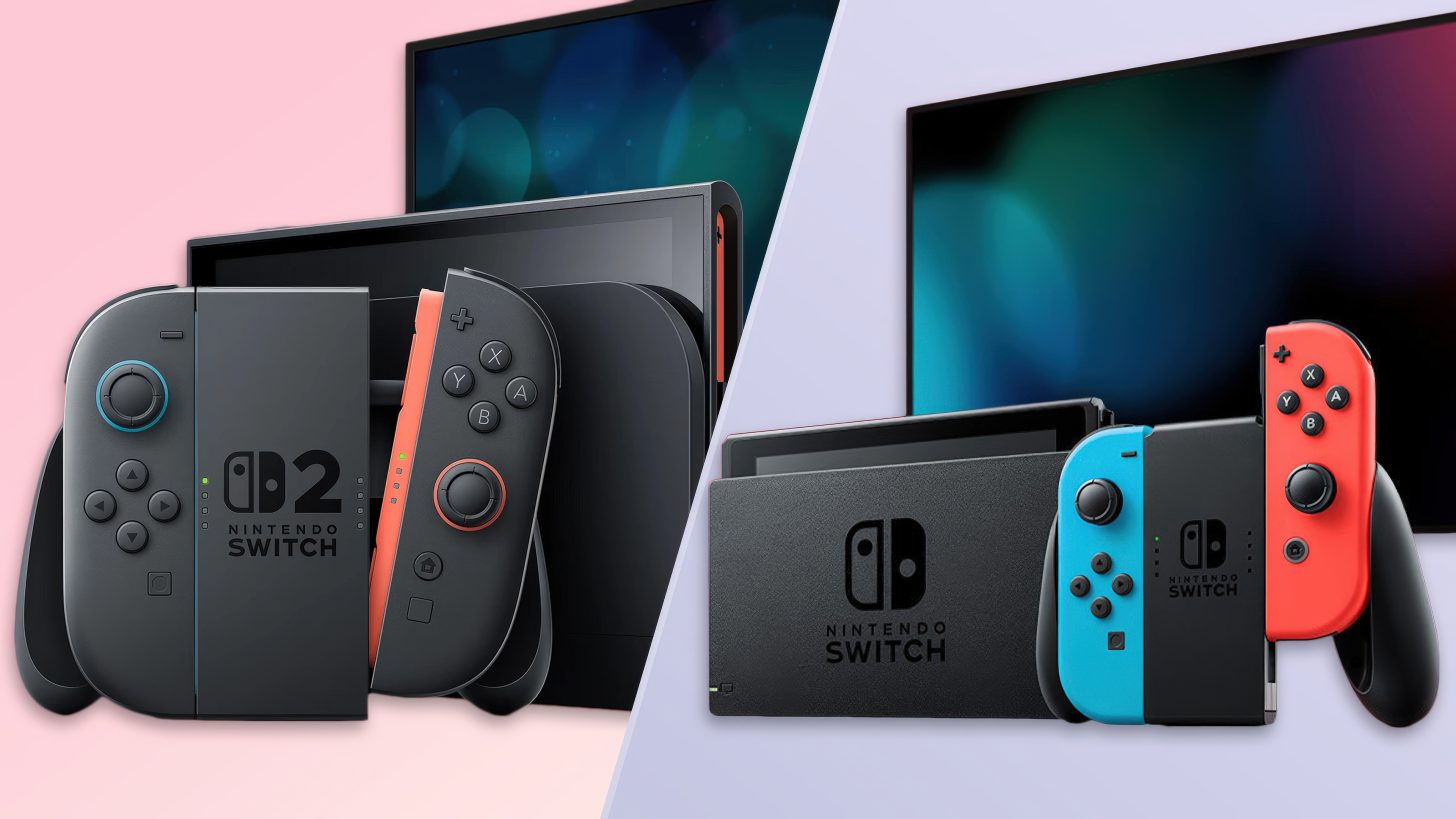
Looking ahead, Nintendo faces an interesting crossroads as it prepares for its next-generation hardware launch. The company recently unveiled its successor to the wildly successful Nintendo Switch, which has sold over 140 million units worldwide since its 2017 debut. As the current Switch enters its twilight years, Nintendo must carefully manage the transition to maintain both consumer interest and investor confidence. The company’s ability to generate such strong profits despite declining revenue suggests that management is executing a deliberate strategy of maximizing returns from the existing installed base while preparing for the next platform cycle. This approach mirrors successful transitions of the past, though each hardware generation presents unique challenges in an ever-evolving gaming landscape.
Future Outlook and Market Implications
The gaming industry has witnessed significant consolidation and competition intensification in recent years, with Microsoft’s acquisition of Activision Blizzard and Sony’s aggressive push into live service games reshaping the competitive landscape. Against this backdrop, Nintendo’s ability to generate exceptional profits from a seemingly declining revenue base demonstrates the enduring strength of its differentiated approach to gaming. Rather than competing directly on hardware specifications or pursuing massive acquisitions, Nintendo has consistently focused on unique gameplay experiences and beloved intellectual properties. This quarter’s results validate that strategy, showing that a well-managed software portfolio can compensate for hardware cycle headwinds and external economic factors.
Expert Opinion: Nintendo’s Q1 results reveal a company masterfully managing the late-cycle dynamics of its current hardware generation while positioning for future growth. The dramatic profit surge despite revenue decline suggests that Nintendo has optimized its software monetization strategy and may be intentionally moderating hardware shipments ahead of its next-generation launch. Investors should view these results as evidence of strong operational discipline, though the sustainability of such margins will depend heavily on the successful reception of Nintendo’s upcoming Switch successor.