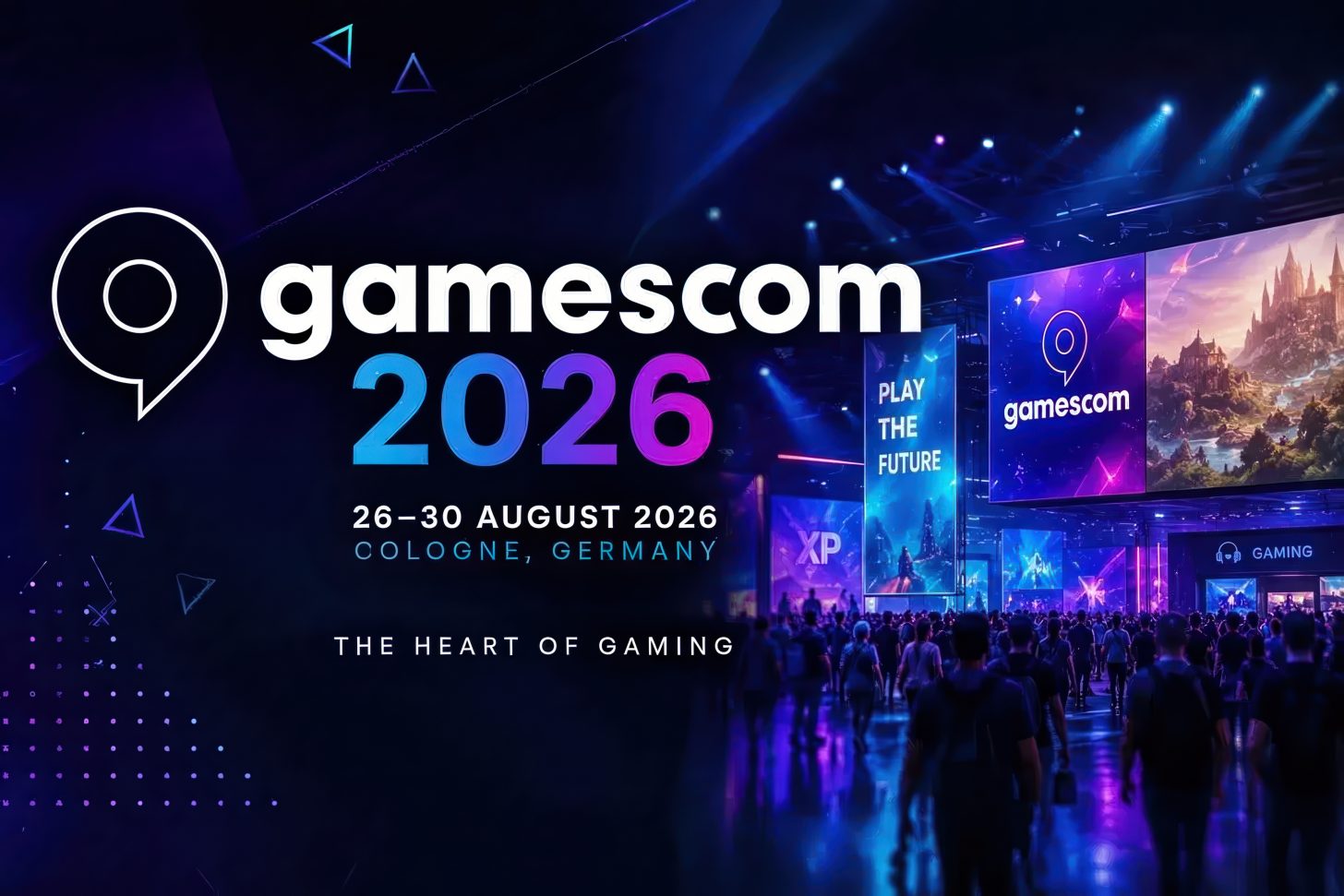
Gamescom, the world’s largest gaming convention, is preparing for what promises to be its most significant edition yet. The 2026 event has achieved an unprecedented milestone: every exhibition hall at the Koelnmesse venue in Cologne, Germany, has been fully booked for the first time in the event’s nearly two-decade history. This achievement reflects not only the explosive growth of the global gaming industry but also the increasing mainstream acceptance of video games as a cultural and economic powerhouse. However, according to event organizers, the real breakthrough isn’t about floor space—it’s about finally capturing the attention of political leaders at the highest levels of government.
In an exclusive interview with Wccftech, Tim Endres, Director of Gamescom at Koelnmesse GmbH, and Felix Falk, Managing Director of game – The German Games Industry Association, revealed that German Federal President Frank-Walter Steinmeier will become the first sitting head of state to attend the convention. This historic visit represents a watershed moment for the gaming industry’s political legitimacy in Germany and potentially across Europe. For years, industry advocates have worked tirelessly to change perceptions of gaming from a niche hobby to a recognized cultural and economic force worthy of governmental attention and support.
A Record-Breaking Year for Gaming’s Biggest Stage
The complete sellout of exhibition space marks a remarkable trajectory for Gamescom, which launched in 2009 as the successor to the Leipzig Games Convention. What began as a regional European gaming event has evolved into an unmissable global showcase that attracts major publishers, independent developers, hardware manufacturers, and hundreds of thousands of attendees each August. The indie area has also reached an all-time high for 2026, reflecting the democratization of game development and the growing appetite among consumers for innovative, smaller-scale experiences alongside blockbuster AAA titles.
The gaming industry has experienced extraordinary growth over the past decade, with global revenues now exceeding $200 billion annually—surpassing the film and music industries combined. Germany itself represents one of the largest gaming markets in Europe, with over 34 million active players and a thriving development scene that has produced internationally successful studios. This economic significance has gradually shifted political attitudes, transforming gaming from a subject of moral panic in the early 2000s to a recognized driver of innovation, employment, and cultural export.
Political Recognition Signals Industry Maturation
The attendance of Federal President Steinmeier carries profound symbolic weight for the German gaming community. For decades, the industry faced skepticism and occasional hostility from political establishments across Europe, particularly following debates about video game violence and addiction. Germany historically maintained some of the strictest content regulations for games in the Western world, with certain titles being banned or heavily censored. The presence of the head of state at Gamescom signals a dramatic shift in how gaming is perceived at the governmental level—no longer as a societal concern but as a legitimate cultural medium deserving of recognition and support.
Organizers emphasized that this political engagement extends beyond mere photo opportunities. The German government has increasingly invested in gaming infrastructure, including funding programs for game development studios and initiatives to position Germany as a competitive hub for gaming talent. The European Union has similarly recognized the strategic importance of the interactive entertainment sector, incorporating gaming into broader digital economy strategies. Industry leaders hope that high-profile political attendance will accelerate these supportive policies and inspire other nations to follow suit.
Looking Ahead: The Future of Gaming Events
As Gamescom 2026 approaches, the combination of record-breaking commercial success and unprecedented political engagement positions the event as a bellwether for the industry’s future. The full booking of exhibition halls demonstrates sustained corporate confidence in physical gaming events, even as digital showcases have proliferated in the post-pandemic landscape. Meanwhile, the political recognition suggests that gaming has finally achieved the institutional legitimacy that other entertainment sectors have long enjoyed. For the millions of fans planning to attend this August, the event represents more than just an opportunity to preview upcoming releases—it’s a celebration of gaming’s arrival as a dominant force in global culture and economy.
Expert Opinion: The convergence of commercial success and political recognition at Gamescom 2026 represents a critical inflection point for the European gaming industry. With governmental support becoming increasingly crucial for competing against heavily subsidized Asian and North American markets, Germany’s embrace of gaming at the highest political levels could establish a template for other EU nations seeking to develop their own interactive entertainment sectors.