In a powerful display of solidarity, Xbox game developers organized coordinated “Save Our Devs” rallies across nine cities in the United States and Canada on August 18, marking one of the most significant labor actions in gaming industry history. The demonstrations, organized by the OneBGS union representing Bethesda Game Studios workers in partnership with the Communications Workers of America (CWA), came as a direct response to the devastating wave of layoffs that has swept through Microsoft’s gaming division over the past year. For many veteran developers, the protests represent not just a fight for jobs, but a fundamental shift in workplace culture that has transformed their industry dreams into ongoing uncertainty.
The rallies were sparked by Microsoft’s announcement of approximately 3,200 planned Xbox job cuts, a staggering number that has sent shockwaves through the gaming community. The first phase of these reductions has already eliminated 1,600 positions across various studios, with the remaining cuts expected to be implemented before the middle of 2027. These numbers represent real people with families, mortgages, and careers built around creating the games that millions of players enjoy worldwide. The CWA-represented Xbox workers, now numbering in the thousands, have become increasingly vocal about the need for job security and transparent communication from management.
The End of a Cherished Era at Bethesda
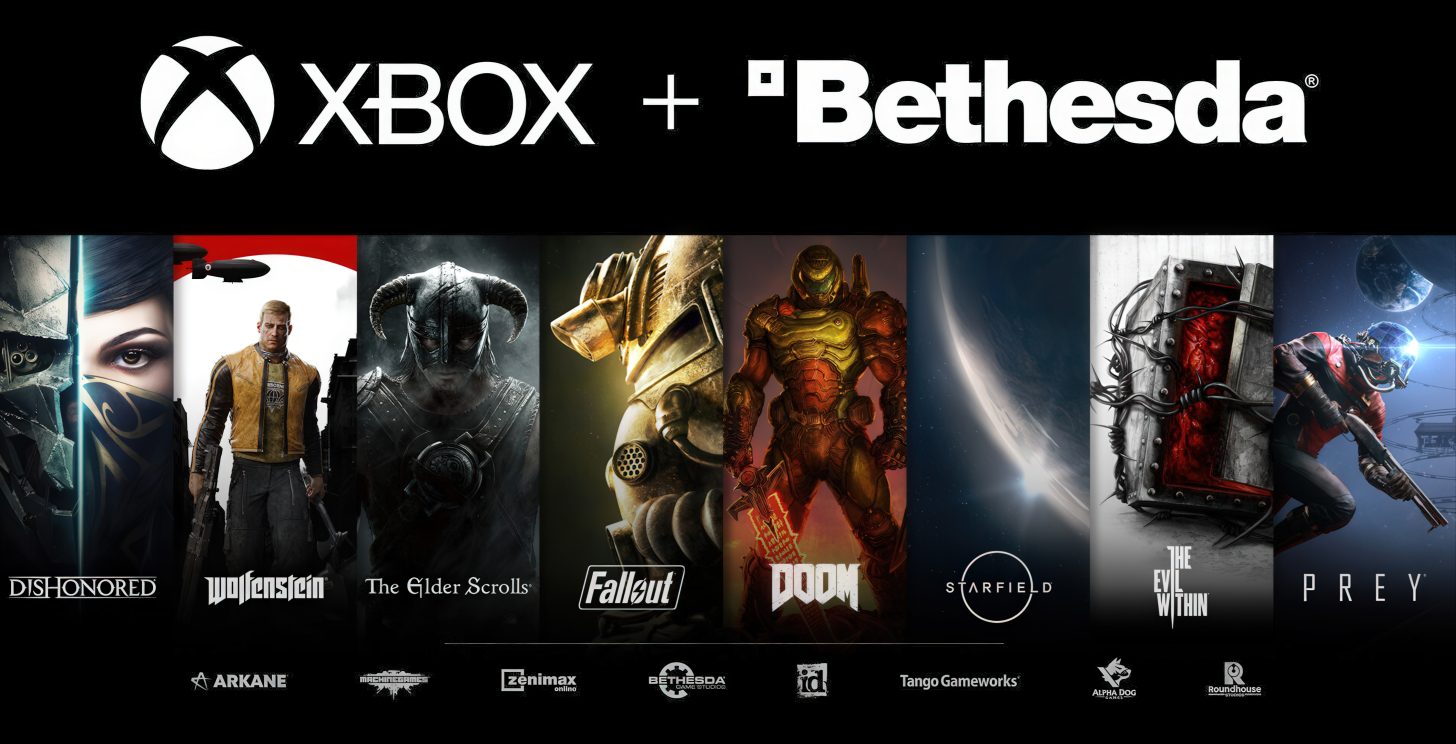
Perhaps the most poignant testimony emerging from these protests comes from longtime Bethesda artists who describe a dramatic cultural shift since Microsoft acquired the company’s parent company, ZeniMax Media, in 2021 for $7.5 billion. According to veteran employees, Bethesda Game Studios once maintained an unofficial but deeply respected no-layoff policy that allowed developers to envision entire careers within the company. Workers spoke of joining the studio with dreams of retiring there, confident that their dedication would be rewarded with long-term stability. This culture fostered deep institutional knowledge, creative risk-taking, and the kind of long-term project development that produced beloved franchises like The Elder Scrolls and Fallout.
The acquisition by Microsoft initially seemed promising to many employees, who hoped that the tech giant’s vast resources would enhance their creative capabilities while preserving Bethesda’s unique culture. However, the reality has proven starkly different. What was once a studio where layoffs were virtually unthinkable has transformed into an environment where annual job cuts have become an expected occurrence. This shift has fundamentally altered the psychological contract between employer and employee, replacing security with anxiety and long-term planning with survival-mode thinking.
Industry-Wide Crisis and Union Response
The situation at Xbox and Bethesda reflects a broader crisis across the gaming industry, which has seen unprecedented layoffs over the past two years. Major publishers including Electronic Arts, Ubisoft, Sony, and numerous independent studios have all announced significant workforce reductions, with estimates suggesting that over 20,000 gaming industry jobs have been eliminated globally since 2023. Industry analysts attribute this wave of cuts to a combination of factors, including post-pandemic market corrections, rising development costs, increased interest rates affecting investment, and corporate consolidation following major acquisitions.
The OneBGS union represents a growing movement toward organized labor in an industry that has historically resisted unionization. Formed in the wake of increasing job insecurity, the union has aligned with the CWA, which has been making significant inroads into the tech and gaming sectors. Union representatives argue that collective bargaining is the only effective way for workers to gain meaningful protections against arbitrary layoffs, ensure fair severance packages, and maintain a voice in decisions that affect their livelihoods. The August 18 rallies demonstrated the union’s ability to coordinate action across multiple locations, suggesting a maturing labor movement within the gaming industry.
Looking Ahead: Uncertain Futures and Industry Transformation
As the gaming industry continues to navigate this turbulent period, the outcome of these labor actions could have lasting implications for how studios operate and treat their workforce. Microsoft, despite its position as one of the world’s most valuable companies, has justified the cuts as necessary for operational efficiency and strategic realignment following its massive acquisition of Activision Blizzard in 2023. Critics argue that profitable companies should not be conducting layoffs at this scale, particularly when executive compensation remains robust. The contrast between corporate profits and worker insecurity has become a central point of contention in the ongoing debate about the gaming industry’s future.
For the developers who gathered at rallies from Los Angeles to Montreal, the fight is about more than individual jobs—it’s about preserving the creative culture that makes great games possible. The transformation of studios like Bethesda from stable creative havens into environments of perpetual uncertainty represents a fundamental shift that many fear will ultimately harm the quality and ambition of future games. As one veteran artist noted, it’s difficult to take creative risks and invest years in ambitious projects when you’re constantly worried about whether you’ll have a job next month.
Expert Opinion: The gaming industry stands at a critical crossroads where the outcome of current labor disputes will likely determine workplace norms for decades to come. If unions like OneBGS succeed in securing meaningful protections, we could see a fundamental restructuring of how game studios approach workforce management, potentially leading to more sustainable development practices. However, if these efforts fail, the industry may continue its trajectory toward treating skilled creative workers as disposable resources, ultimately degrading the institutional knowledge and creative continuity that produces truly exceptional games.