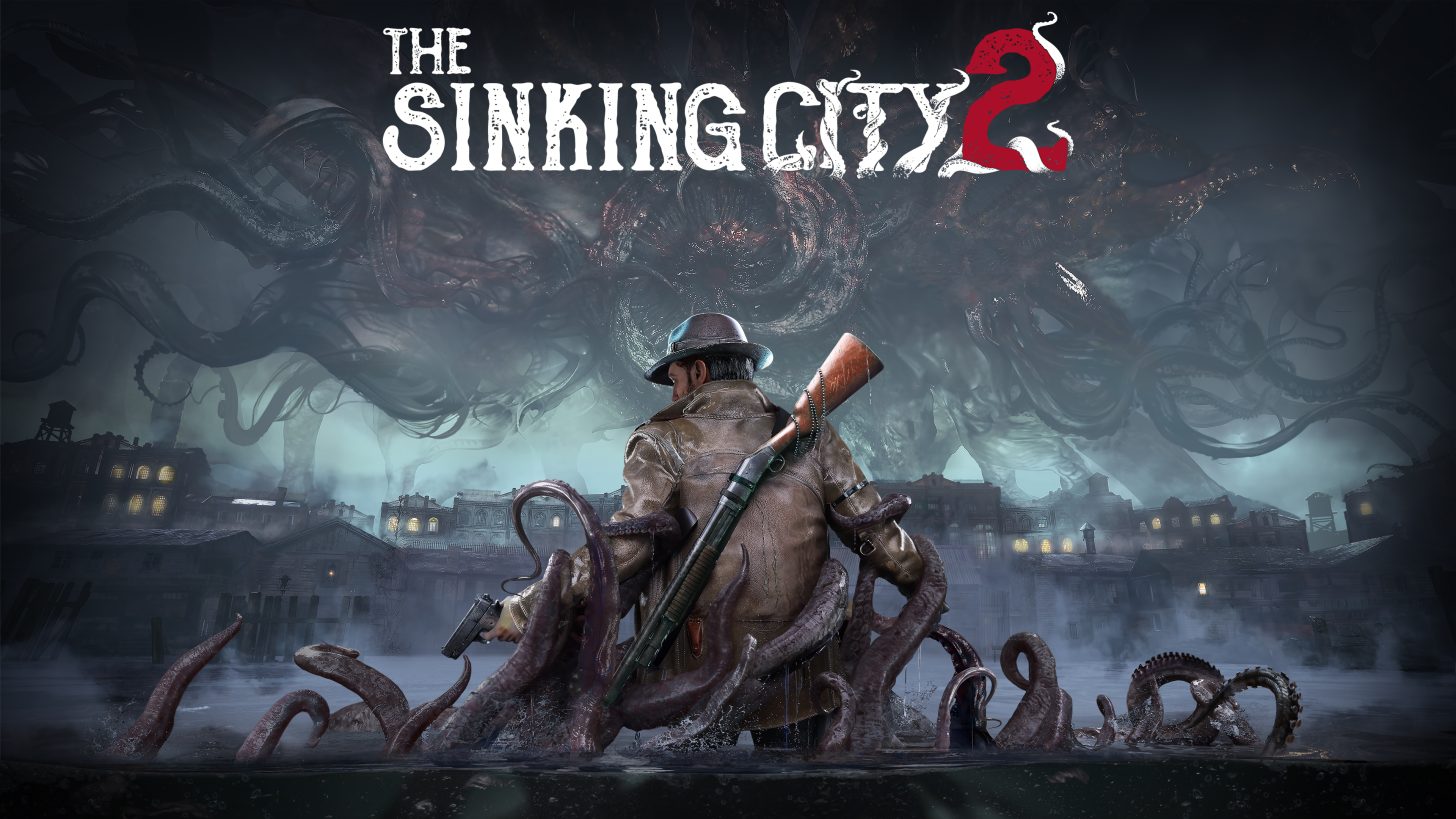
When Frogwares first unveiled The Sinking City back in 2019, it promised players an ambitious blend of Lovecraftian horror and open-world detective gameplay. The original title earned respectable reviews, including a solid 7.8 out of 10 score, and cultivated a dedicated fanbase eager for more cosmic horror investigations. Now, years later, the Ukrainian development studio has returned with The Sinking City 2, a sequel that demonstrates significant growth in both ambition and execution. For fans of the original and newcomers alike, this follow-up represents a compelling evolution of the survival horror genre infused with eldritch mythology.
The journey to this sequel has been anything but smooth for Frogwares. The studio, based in Kyiv, Ukraine, has weathered extraordinary challenges over the past several years. Beyond the typical difficulties of game development, Frogwares became embroiled in a highly publicized legal dispute with their former publisher Nacon (previously known as Bigben Interactive). The conflict centered on distribution rights, royalty payments, and accusations of unauthorized code usage. This bitter battle resulted in the game being delisted from major platforms at various points, creating confusion among consumers and financial strain on the independent developer. Throughout this ordeal, Frogwares maintained their commitment to creative independence and their passionate community of players.
A Studio Forged Through Adversity
Adding to their challenges, Frogwares has continued development work while operating during wartime conditions in Ukraine. Since February 2022, the team has faced displacement, infrastructure disruptions, and the constant stress of conflict while still managing to deliver quality gaming experiences. This context makes The Sinking City 2’s release all the more remarkable, representing not just a creative achievement but a testament to the resilience of independent game development. The studio’s previous work includes the acclaimed Sherlock Holmes series, which established their reputation for atmospheric detective gameplay and intricate puzzle design—skills that translate beautifully to their Lovecraftian ventures.
The Sinking City 2 builds upon the foundation established by its predecessor while addressing many criticisms leveled at the original. The first game, while praised for its atmosphere and investigative mechanics, sometimes struggled with technical issues and repetitive mission structures. Early impressions suggest that Frogwares has taken this feedback seriously, delivering a more polished and diverse experience. The survival horror elements have been significantly enhanced, creating genuine tension as players navigate the waterlogged streets and decrepit buildings of this nightmarish urban landscape. Combat feels more impactful, and the resource management systems encourage careful planning and strategic thinking.
Lovecraftian Horror Comes Alive
At its core, The Sinking City 2 remains faithful to the cosmic horror traditions established by H.P. Lovecraft and expanded upon by countless writers and game developers. The setting—a city gradually being consumed by mysterious floodwaters and stranger phenomena—perfectly captures the genre’s themes of human insignificance against incomprehensible forces. Players take on the role of an investigator confronting not just mundane crimes but reality-bending mysteries that threaten sanity itself. The game’s sanity mechanics, a staple of Lovecraftian gaming since Eternal Darkness and Call of Cthulhu, have been refined to create meaningful gameplay implications without becoming frustrating obstacles.
The detective gameplay that defined the original returns with notable improvements. Investigations require players to gather evidence, interview witnesses, and piece together conclusions using deductive reasoning. Unlike many modern games that hand-feed solutions to players, The Sinking City 2 trusts its audience to draw their own conclusions, sometimes leading to morally ambiguous outcomes. This approach rewards attentive players while creating genuine replay value as different interpretations lead to divergent narrative paths. The open-world structure allows for exploration between cases, revealing hidden stories and optional content that enriches the overall experience.
Technical Excellence and Atmospheric Mastery
Visually, The Sinking City 2 represents a significant upgrade over its predecessor. The graphics engine renders the decaying cityscape with impressive detail, from rain-slicked cobblestones to the unsettling architecture that seems to defy Euclidean geometry. Lighting plays a crucial role in establishing mood, with fog and shadows concealing threats and mysteries in equal measure. The sound design deserves particular praise, using ambient audio and a haunting score to maintain constant unease. Voice acting has improved substantially, with performances that bring damaged, desperate characters to life without veering into melodrama.
For survival horror enthusiasts and fans of Lovecraftian fiction, The Sinking City 2 arrives as a must-play experience. Frogwares has demonstrated remarkable growth as developers while staying true to the atmospheric investigation gameplay that distinguishes their work. The game stands as proof that independent studios can compete with larger publishers when given creative freedom and supported by dedicated communities. While specific scores and detailed analysis await comprehensive reviews, early indications suggest that The Sinking City 2 succeeds in delivering eldritch horror done right—a fitting accomplishment for a studio that has survived its own trials worthy of cosmic horror fiction.
Expert Opinion: The Sinking City 2 represents a significant maturation for Frogwares as a studio, successfully blending survival horror tension with investigative gameplay in ways few developers have achieved. Given the growing popularity of Lovecraftian themes in gaming and the studio’s demonstrated resilience, this sequel could establish a new benchmark for the cosmic horror genre while potentially attracting mainstream attention that eluded the original title.