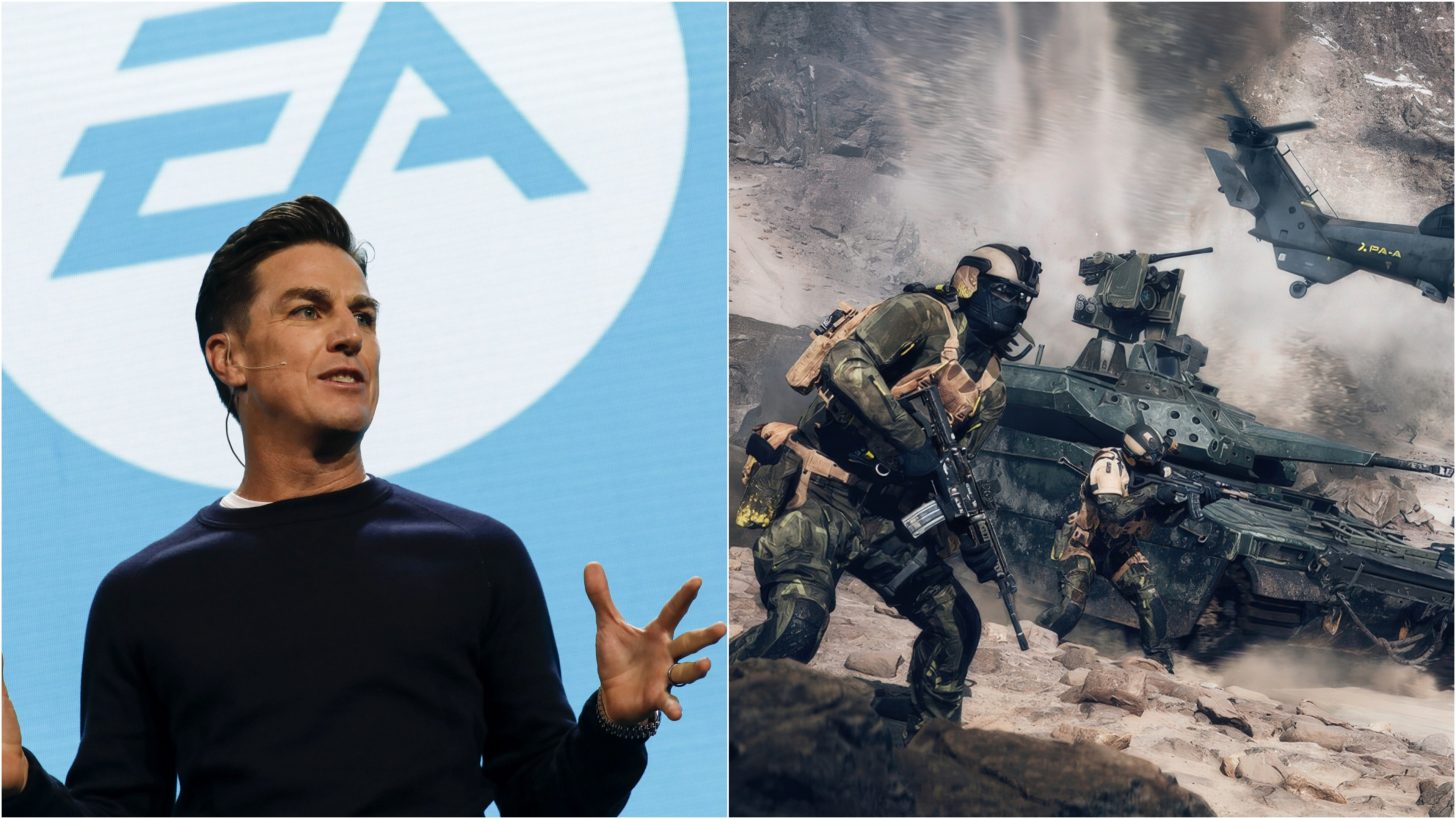
Electronic Arts CEO Andrew Wilson received a staggering $38,649,984 in total compensation for fiscal year 2026, according to the company’s newly filed 10-K report with the Securities and Exchange Commission. The announcement has sparked renewed debate about executive compensation in the gaming industry, particularly given that EA spent the same fiscal year implementing significant layoffs across multiple studios working on the Battlefield franchise. The stark contrast between executive pay increases and workforce reductions has drawn sharp criticism from industry observers, labor advocates, and shareholders alike, highlighting ongoing tensions between corporate profitability and worker welfare in the video game sector.
The gaming industry has faced mounting scrutiny over executive compensation practices in recent years, with EA serving as one of the most prominent examples of the widening gap between C-suite pay and average employee earnings. Wilson’s compensation package represents a significant increase from previous years and places him among the highest-paid executives in the entertainment software industry. This comes at a time when the video game sector has experienced unprecedented layoffs, with thousands of developers losing their jobs across the industry despite many companies reporting strong revenues and healthy profit margins.
Breaking Down the Compensation Package
A detailed analysis of EA’s SEC filing reveals the structure of Wilson’s substantial payout. His base salary remained relatively modest at $1.3 million, consistent with industry norms for major gaming company CEOs. However, the bulk of his compensation came from stock awards totaling $28.48 million, reflecting the company’s practice of tying executive pay to long-term shareholder value. Additionally, Wilson received a $6.5 million cash bonus based on performance metrics, along with $2.37 million categorized as “all other compensation,” which reportedly includes personal security services and private jet usage for business travel.
Executive compensation experts note that stock-heavy pay packages are designed to align CEO interests with shareholder returns, but critics argue this structure can incentivize short-term cost-cutting measures like layoffs to boost stock prices. The practice of including perquisites such as private aviation and security services has also come under increased scrutiny from corporate governance advocates, who question whether such benefits are necessary business expenses or simply lifestyle subsidies for already well-compensated executives.
The Battlefield Layoffs: Context and Consequences
Throughout the same fiscal year that saw Wilson’s compensation reach new heights, Electronic Arts implemented workforce reductions across four studios working on the Battlefield franchise. These layoffs occurred despite the overall commercial success of the long-running first-person shooter series, which has been a cornerstone of EA’s portfolio since the company acquired the rights from DICE in the early 2000s. The affected studios reportedly included teams in both North America and Europe, with hundreds of developers, artists, and support staff losing their positions.
The Battlefield franchise has experienced a turbulent recent history, with the 2021 release of Battlefield 2042 receiving widespread criticism from players and critics alike. EA has since worked to rehabilitate the series, investing in substantial post-launch support and beginning development on a new mainline entry. However, industry analysts suggest that the layoffs may have been driven by corporate restructuring decisions rather than the franchise’s actual performance metrics, raising questions about whether these cuts were truly necessary for the company’s financial health.
Industry-Wide Trends and Shareholder Concerns
EA’s situation reflects broader patterns across the video game industry, which has seen over 20,000 layoffs since 2023 despite record-breaking revenues for many major publishers. Companies including Microsoft, Sony, Embracer Group, and Ubisoft have all implemented significant workforce reductions while maintaining robust executive compensation packages. This disconnect has fueled growing calls for unionization among game developers and increased attention from institutional shareholders concerned about governance practices.
Shareholder advocacy groups have begun pushing back against executive pay packages they view as excessive, particularly when accompanied by layoffs. While “say on pay” votes are typically advisory rather than binding, increasing shareholder dissent can pressure boards to reconsider compensation structures. Corporate governance experts suggest that companies may need to demonstrate clearer connections between executive pay and responsible workforce management to maintain investor confidence and public goodwill in an increasingly scrutinized industry.
Expert Opinion: The growing disparity between executive compensation and workforce stability in the gaming industry signals a potential governance crisis that could have long-term consequences for talent retention and company reputation. As skilled developers increasingly consider unionization and alternative employment options, companies that fail to address these concerns may find themselves struggling to attract top talent. Expect increased regulatory attention and shareholder activism around executive pay practices in the gaming sector over the next several years.