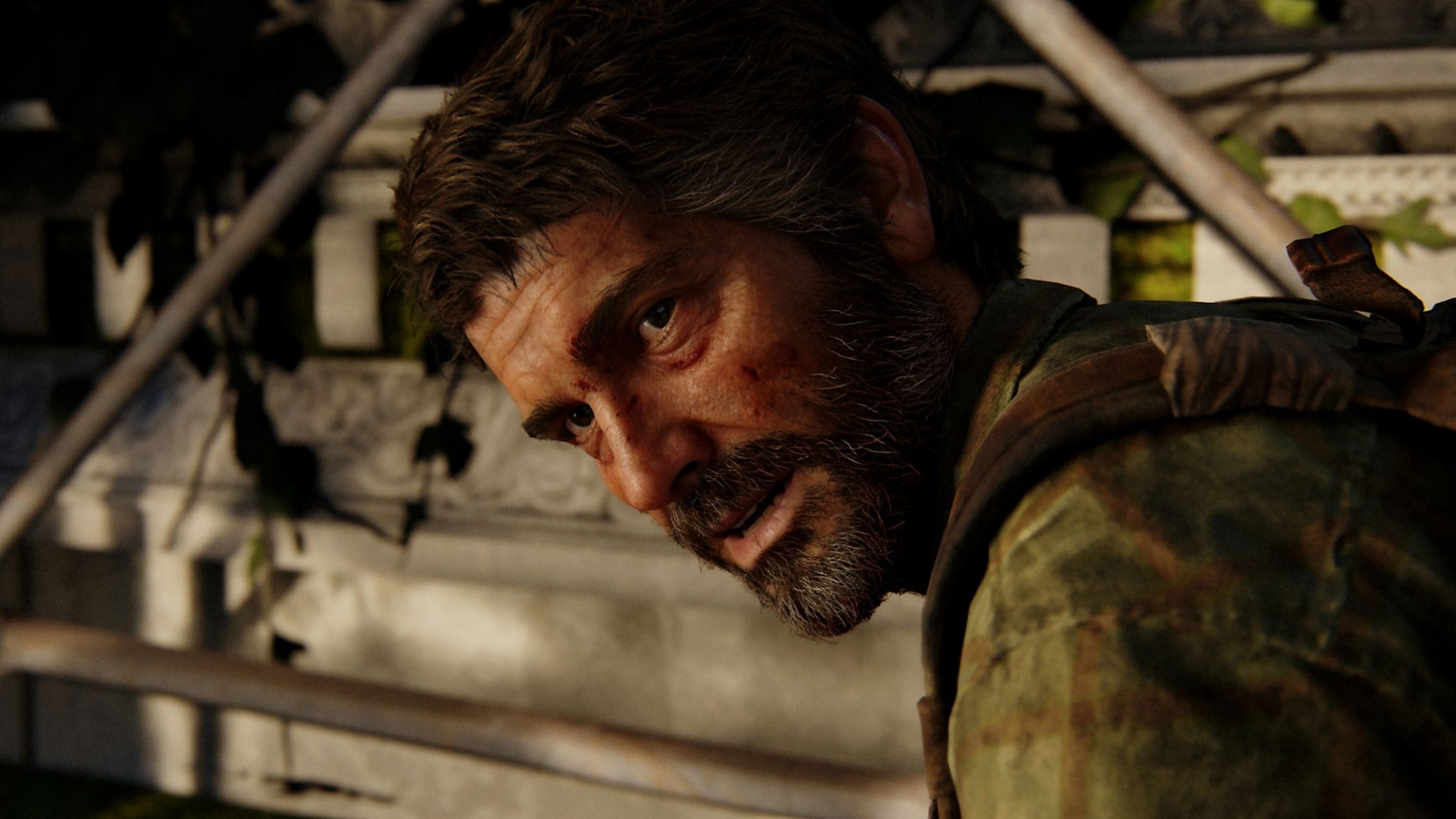
The gaming community is buzzing with anticipation following recent revelations about the future of one of PlayStation’s most beloved franchises. While concrete details about The Last of Us Part 3 remain shrouded in mystery, Naughty Dog’s creative director Neil Druckmann has dropped significant hints that the final chapter in this emotionally devastating series is very likely to materialize in the coming years. The confirmation that Joel Miller will return in some capacity by 2027 has sent shockwaves through the fanbase, raising profound questions about how the narrative will unfold given the events of the previous installment.
A Legacy Built on Emotional Storytelling
The Last of Us franchise has established itself as a cornerstone of narrative-driven gaming since its debut in 2013. The original game, developed exclusively for PlayStation, introduced players to the hardened survivor Joel Miller and the young Ellie, whose journey across a fungus-ravaged America captivated millions of players worldwide. The game’s exploration of themes including loss, love, survival, and moral ambiguity earned it over 200 Game of the Year awards, cementing its status as one of the greatest video games ever created. The relationship between Joel and Ellie became the emotional foundation upon which the entire franchise was built.
The sequel, The Last of Us Part 2, released in 2020, took bold narrative risks that deeply divided the fanbase. The controversial decision to have Joel killed early in the game by a new character named Abby sparked intense debate about storytelling choices in video games. Despite the polarizing reception, the game was commercially successful and won numerous awards, including Game of the Year at The Game Awards. The sequel explored themes of revenge, forgiveness, and the cyclical nature of violence, pushing the boundaries of what video game narratives could achieve.
The Challenge of Bringing Joel Back
The prospect of Joel’s return presents fascinating narrative possibilities that have sparked considerable speculation among fans and industry analysts alike. Given his death in Part 2, any appearance would likely come through flashback sequences, similar to how Naughty Dog handled his presence throughout the second game. These flashback moments in Part 2 were among the most emotionally resonant portions of the game, showing the relationship between Joel and Ellie in the years following their journey to Salt Lake City. Troy Baker, who provides the voice and motion capture for Joel, has previously expressed his willingness to return to the character, understanding the profound impact the role has had on gaming culture.
Industry experts suggest that Naughty Dog faces a delicate balancing act with the third installment. The studio must honor the emotional weight of Joel’s story while continuing to push the narrative forward with Ellie as the primary protagonist. Gaming analysts have noted that the franchise’s willingness to take risks with beloved characters is both its greatest strength and its most controversial aspect. The 2027 timeframe would allow for sufficient development time, as Naughty Dog is known for lengthy development cycles that prioritize quality and narrative depth over rushed releases.
Fan Expectations and the Road Ahead
The fan community remains deeply divided on what direction The Last of Us Part 3 should take. Some players hope for a more redemptive arc for Ellie, while others want the series to continue exploring the darker aspects of human nature in survival situations. The success of HBO’s television adaptation, starring Pedro Pascal as Joel and Bella Ramsey as Ellie, has only increased interest in the franchise and raised the stakes for any future game installments. The show’s critical acclaim and massive viewership have introduced the story to millions of new fans who may have never played the games.
Naughty Dog has built its reputation on delivering experiences that challenge players emotionally and narratively. With the confirmation that development on Part 3 is progressing and Joel’s return is planned for 2027, fans can expect another groundbreaking chapter in this post-apocalyptic saga. Whether the studio can satisfy the diverse expectations of its passionate fanbase while maintaining its artistic vision remains to be seen, but if history is any indication, The Last of Us Part 3 will certainly spark conversation and debate for years to come.
Expert Opinion: The decision to bring Joel back through what will likely be flashback sequences demonstrates Naughty Dog’s understanding that his character remains the emotional anchor of the franchise. Given the studio’s track record and the extended development timeline, Part 3 could potentially serve as a definitive conclusion that reconciles the divided fanbase while delivering the emotional depth the series is known for. The 2027 window suggests a polished, next-generation experience that could redefine narrative gaming once again.