In a rare and scathing public rebuke of corporate ownership, a senior developer at legendary game studio id Software has openly criticized Microsoft and Xbox for devastating layoffs that he says have fundamentally crippled the company’s ability to create AAA games. Chris Hays, lead services programmer at id Software and a 15-year veteran of the studio, did not hold back when discussing the July 2025 layoffs that eliminated 136 positions at the iconic game developer responsible for genre-defining titles like Doom and Quake.
Speaking on the German gaming podcast “Auf ein Bier” with host Andre Peschke, Hays delivered a blistering assessment of the situation: “They fundamentally don’t understand art. They don’t understand games.” His comments represent an extraordinarily candid critique from a current employee of a Microsoft-owned studio, highlighting the deep frustration felt by developers caught in the crossfire of corporate restructuring decisions.
The Human Cost of Corporate Restructuring
Hays was unequivocal about the impact of cutting half the studio’s workforce. “It’s hard to make a game that is AAA, that’s like we’ve done before, with half the people. And by hard, I mean impossible,” he stated plainly. The developer explained that entire departments essential to game development have been eliminated, leaving critical gaps in the studio’s capabilities. “There are entire departments that are gutted that you need, entire disciplines that are gone,” he said, emphasizing that no clear plan has been communicated to remaining staff about how operations will continue.
The emotional toll on surviving employees is equally significant. Hays pushed back strongly against official messaging that attempted to downplay the changes. “We’re not the same id. We’re half the same id. id was the people. What made us special was the people and the relationships we have,” he explained. This sentiment underscores a fundamental truth in creative industries: institutional knowledge, team chemistry, and collaborative relationships built over years cannot simply be replaced or replicated after mass layoffs.
Microsoft’s Messaging Versus Reality
In the immediate aftermath of the July layoffs, id Software issued statements attempting to reassure fans and remaining employees. The studio told gaming publications that despite being “impacted,” the restructuring left it at “about the same size we were when making Doom 2016,” adding that they “still have the crew we need to build the games and tech we’re known for.” However, Hays directly contradicted this narrative, stating that id now actually employs fewer people than worked on the acclaimed 2016 reboot.
The developer suggested that studio management is operating under tight restrictions regarding public communications. “Studio management is given talking points on things that are allowed to be said and what is not allowed to be said,” Hays revealed. He characterized the corporate response as damage control designed to prevent a mass exodus of remaining talent. “They don’t want unrest. At the end of the day, most of it was just trying to tell us that, ‘Oh, no, everything is fine. Things will be OK.'”
Questions About Game Pass and Microsoft’s Business Model
Hays raised pointed questions about Microsoft’s subscription-based Game Pass service and its impact on how game sales are measured and studio success is evaluated. “I know that we have serious issues with how Game Pass is done,” he said. “Whenever we see the Microsoft financial reports that say there were poor sales under Bethesda. What’s a sale if you have Game Pass? Are you saying that poor sales means poor number of games sold? Because, of course. You’re not doing a game-sold business model.”
This critique touches on a fundamental tension in Microsoft’s gaming strategy. Since acquiring ZeniMax Media (Bethesda’s parent company) for $7.5 billion in 2021, Microsoft has emphasized Game Pass subscriptions over traditional game sales. However, this shift creates ambiguity in how studio performance is measured and potentially undervalues the contributions of studios whose games drive subscription numbers rather than direct purchases. The disconnect between the old model of measuring success through sales figures and the new subscription reality appears to be creating significant internal friction.
Part of Xbox’s Largest Restructuring Ever
The id Software layoffs were part of what new Xbox CEO Asha Sharma called “the most significant restructure in Xbox history.” The broader initiative eliminated 1,600 positions immediately upon announcement, with another 1,600 cuts planned throughout the current financial year. This dramatic downsizing represents a stark reversal from Microsoft’s aggressive acquisition strategy over the past several years, which saw the company spend tens of billions of dollars purchasing studios including Bethesda, Activision Blizzard, and numerous independent developers.
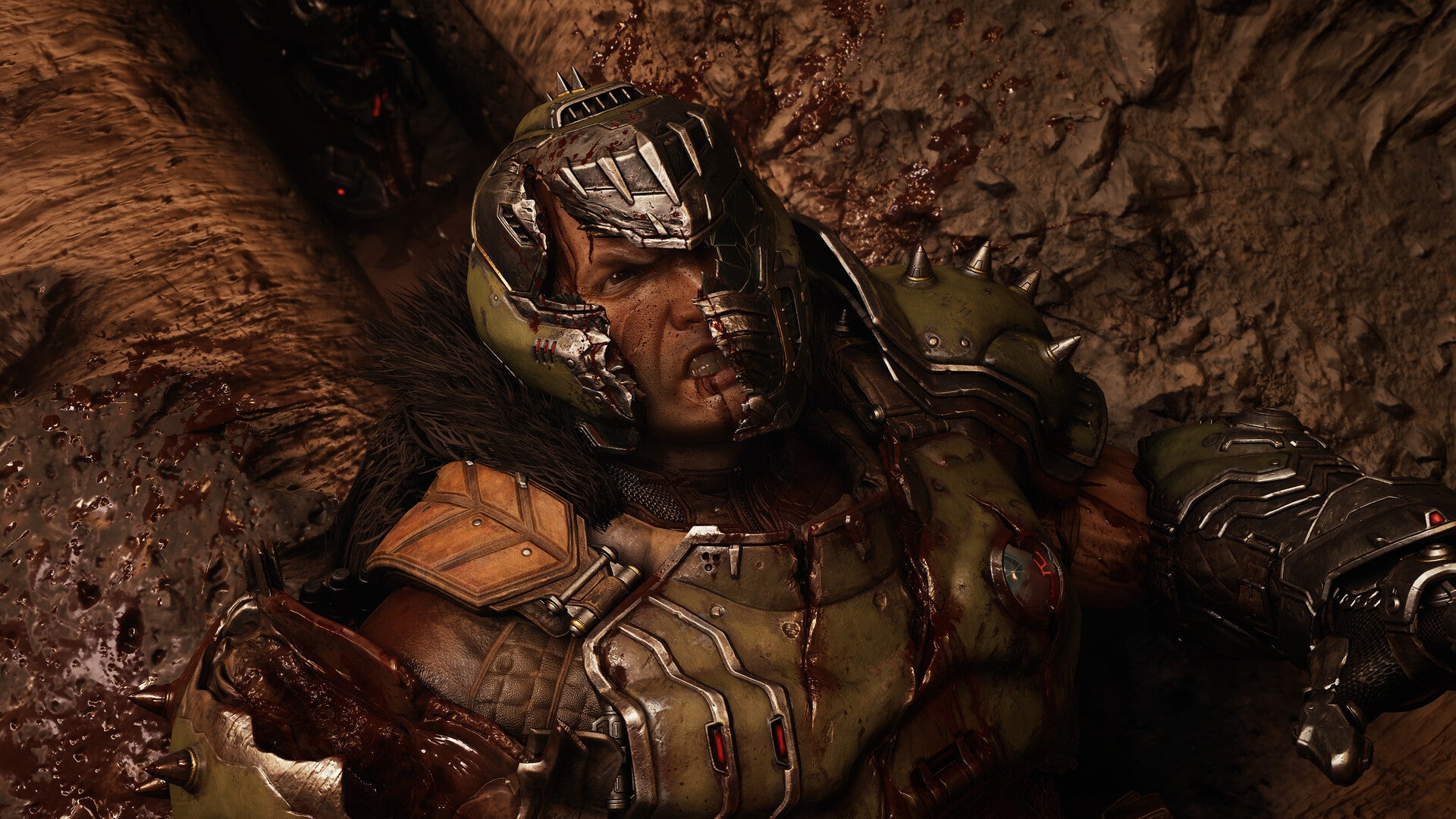
For id Software specifically, the cuts raise serious questions about future projects. Hays posed a sobering hypothetical: “Are we going to make something equivalent to a single-player Xbox 360 game? Because that’s the size of the studio we have.” The studio most recently released Doom: The Dark Ages in 2025, followed by its Revelations DLC, both receiving strong critical acclaim. Whether id can maintain this level of quality with dramatically reduced resources remains to be seen, but Hays expressed serious doubts about meeting any ambitious goals with the current headcount.
Expert Opinion: The public criticism from a current id Software employee signals a potentially dangerous erosion of trust between Microsoft’s gaming division and its acquired studios. When veteran developers feel compelled to speak out despite clear professional risks, it suggests that internal communication channels have failed catastrophically. Microsoft faces a critical juncture: either demonstrate a coherent creative vision that justifies these cuts, or risk watching its most talented developers seek opportunities elsewhere, potentially leaving hollow shells of once-great studios.