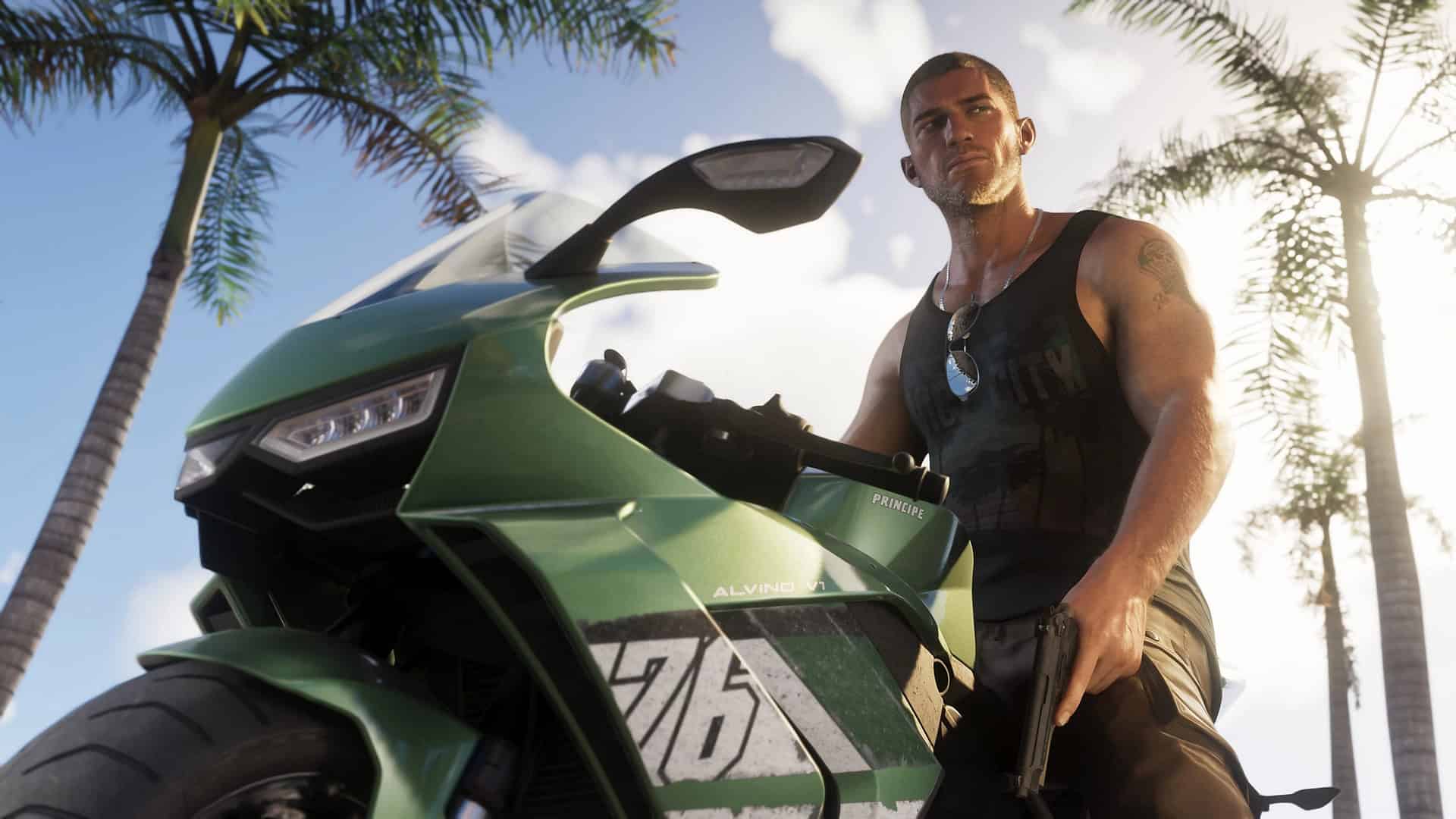
In an era where video game prices continue to climb, Take-Two Interactive CEO Strauss Zelnick has stepped forward to defend the $80 price tag attached to the highly anticipated Grand Theft Auto 6. During a recent investor call, Zelnick made the bold claim that despite the premium pricing, GTA 6 represents “an incredible bargain” for consumers. The statement has sparked considerable debate within the gaming community, with players divided over whether the increased cost is justified for what promises to be one of the most ambitious video game releases in history.
The $80 price point marks a significant departure from the traditional $60 standard that dominated the gaming industry for nearly two decades. This pricing shift began gaining momentum with the launch of the PlayStation 5 and Xbox Series X generation, as publishers argued that development costs had risen dramatically while base game prices remained stagnant since 2005. Take-Two, the parent company of Rockstar Games, appears confident that consumers will accept the higher price for a title that has been in development for over a decade and is expected to set new standards for open-world gaming.
The Economics Behind Rising Game Prices
Zelnick’s defense of the pricing centers on the concept of value per hour of entertainment. Modern AAA games like those in the Grand Theft Auto franchise typically offer hundreds of hours of gameplay, making the cost per hour significantly lower than other entertainment options such as cinema tickets, streaming subscriptions, or sporting events. Industry analysts have noted that when adjusted for inflation, video game prices have actually decreased over the past several decades, even as production budgets have ballooned into the hundreds of millions of dollars. GTA 6’s development budget is rumored to exceed $1 billion, making it potentially the most expensive video game ever produced.
The gaming industry has witnessed a gradual acceptance of higher price points, particularly for marquee titles with massive production values. Publishers argue that the cost of game development has increased exponentially, with modern titles requiring larger teams, more sophisticated technology, and longer development cycles than ever before. Rockstar Games, known for its meticulous attention to detail, reportedly employs thousands of developers across multiple studios worldwide to create its flagship franchise. This investment in quality and scale, Zelnick suggests, justifies the premium pricing model.
Consumer Reactions and Market Expectations
The gaming community’s response to the $80 price tag has been mixed, with some players expressing frustration over the continued escalation of game prices while others acknowledge the exceptional value that Rockstar titles historically deliver. GTA 5, released in 2013, remains one of the best-selling entertainment products of all time, generating over $8 billion in revenue and continuing to attract millions of active players more than a decade after launch. This longevity supports Zelnick’s argument that Rockstar games provide exceptional long-term value that far exceeds their initial purchase price.
Industry experts point out that the $80 base price may actually represent a compromise, as some analysts had predicted prices could reach $100 for premium next-generation titles. The gaming market has also evolved significantly, with free-to-play models, game subscription services, and digital sales providing alternative access points for budget-conscious consumers. However, for a title as anticipated as GTA 6, which has broken trailer view records and generated unprecedented levels of pre-release excitement, Take-Two appears confident that fans will pay the premium price regardless of economic concerns. The game is scheduled for release in fall 2025, and pre-order numbers are expected to shatter previous industry records.
The Future of Video Game Pricing
Looking ahead, the success or failure of GTA 6’s pricing strategy could establish a new precedent for the entire gaming industry. If consumers embrace the $80 price point for this title, other major publishers may follow suit with their own flagship releases. Conversely, significant pushback could force a reconsideration of pricing strategies across the board. What remains clear is that the conversation around video game value and pricing is far from over, and GTA 6 will serve as a crucial test case for the industry’s economic future.
Expert Opinion: The $80 price point for GTA 6 likely represents a calculated gamble by Take-Two that brand loyalty and exceptional production values will overcome consumer price sensitivity. Given Rockstar’s track record of delivering genre-defining experiences and GTA 5’s unprecedented commercial longevity, this pricing strategy will probably succeed, potentially normalizing higher base prices for premium AAA titles across the industry within the next console generation.