The long-anticipated multiplayer experience set in The Witcher universe continues its challenging development journey, as CD Projekt RED’s Project Sirius has reportedly lost 18 developers from its team. Despite this setback, industry insiders suggest the ambitious title remains on a promising trajectory, offering hope to millions of fans eager to explore the world of Geralt of Rivia alongside other players. The project represents one of CD Projekt RED’s most ambitious attempts to expand beyond traditional single-player experiences.
Project Sirius is the internal codename for an experimental multiplayer game being developed by The Molasses Flood, a Boston-based studio that CD Projekt RED acquired in October 2021. The acquisition marked a strategic move by the Polish gaming giant to diversify its portfolio and tap into the multiplayer market, which has proven incredibly lucrative for other major publishers. The project was officially announced in October 2022, alongside several other ambitious titles in both The Witcher and Cyberpunk franchises, signaling CD Projekt RED’s intent to build a robust pipeline of games for the coming years.
A Rocky Development Path
The road to completion has been anything but smooth for Project Sirius. The game encountered its most significant publicly confirmed challenge when CD Projekt RED announced a major restructuring of the project’s direction. This led to considerable delays and internal reorganization, raising questions about the game’s ultimate viability. The loss of 18 developers represents another hurdle in what has become an increasingly complicated development cycle. Such departures in the gaming industry can stem from various factors, including creative differences, project pivots, or simply the natural movement of talent between studios in a competitive job market.
The Molasses Flood, founded by former Irrational Games developers who worked on the acclaimed BioShock series, brought significant expertise to the project. The studio previously developed survival games like The Flame in the Flood and Drake Hollow, demonstrating their capability in creating engaging gameplay systems. However, transitioning to a multiplayer project set in an established universe with passionate fans presents unique challenges that even experienced developers can struggle to navigate.
The Witcher Franchise’s Multiplayer Ambitions
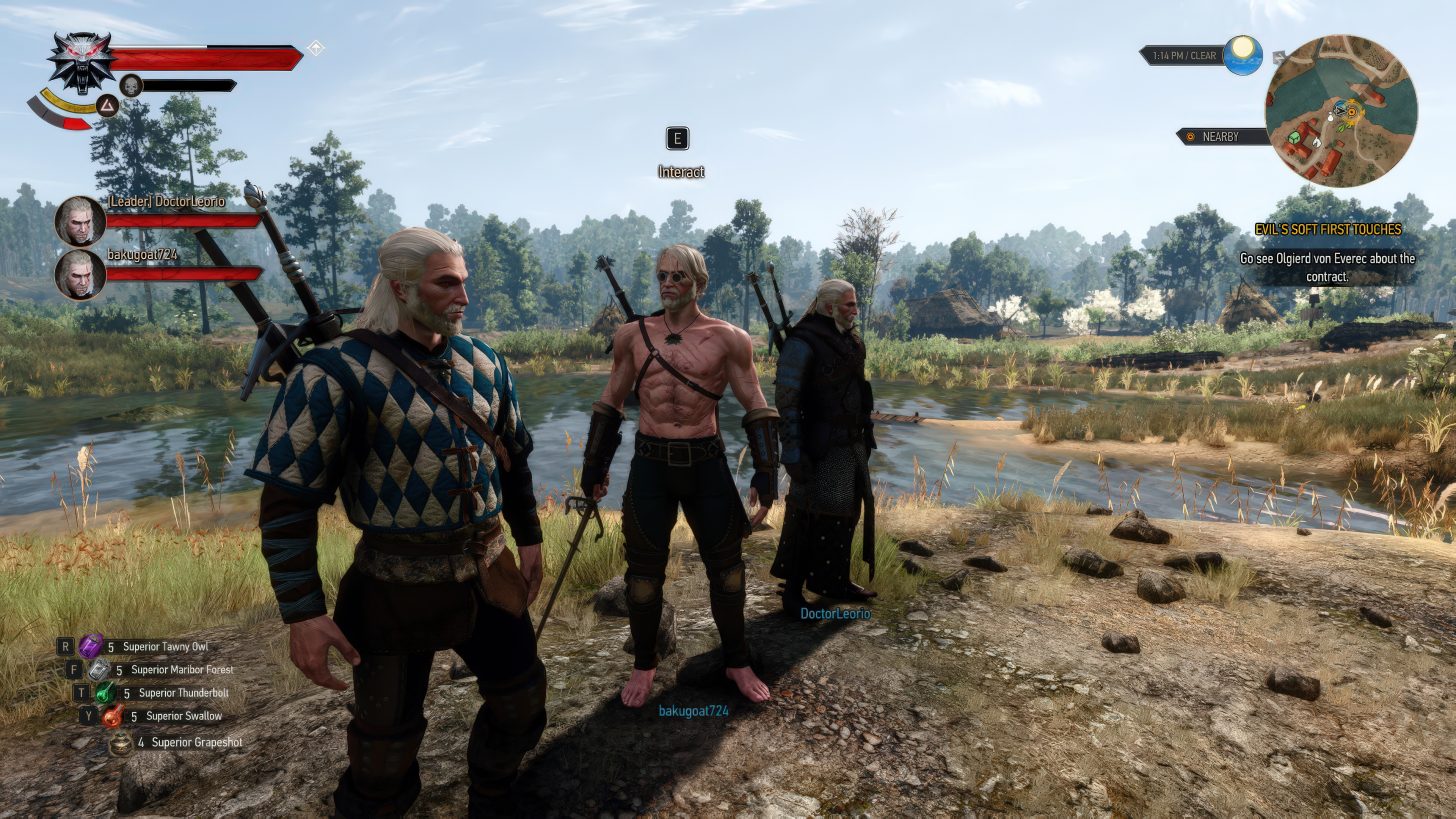
While fans have been waiting for official multiplayer content, the community has taken matters into its own hands. The unofficial Witcher 3 Online mod has kept the dream of cooperative Witcher gameplay alive, allowing players to explore the Continent together. This grassroots effort demonstrates the substantial demand for multiplayer experiences in The Witcher universe, a demand that CD Projekt RED clearly hopes to capitalize on with Project Sirius. The success of such fan projects often serves as market validation for official development efforts.
CD Projekt RED’s expansion into multiplayer territory represents a significant strategic shift for a company that built its reputation on deeply narrative single-player experiences. The Witcher 3: Wild Hunt, released in 2015, is widely considered one of the greatest role-playing games ever made, selling over 50 million copies worldwide. Following the troubled launch of Cyberpunk 2077 in 2020, the company has been working to rebuild trust with its fanbase while simultaneously expanding its development capabilities. The announcement of multiple concurrent projects, including a new Witcher trilogy and Cyberpunk sequel, indicates the company’s ambitious growth plans.
Looking Toward the Future
Despite the recent developer departures, reports suggest that Project Sirius remains on a promising track internally. The gaming industry regularly sees projects overcome similar challenges to deliver successful products. What matters most is whether the core vision remains intact and whether the remaining team has the resources and support needed to execute that vision. CD Projekt RED has demonstrated resilience before, most notably with Cyberpunk 2077’s remarkable recovery through substantial post-launch updates and the acclaimed Phantom Liberty expansion.
For now, fans of The Witcher franchise continue to wait with cautious optimism. The multiplayer format offers exciting possibilities for exploring the rich lore and dangerous world that author Andrzej Sapkowski created and CD Projekt RED brought to vivid life. Whether hunting monsters cooperatively or engaging in player-versus-player combat, a well-executed Witcher multiplayer game could become a significant addition to the franchise. The coming months will likely reveal more about Project Sirius’s direction and expected release timeline.
Expert Opinion: The loss of 18 developers is concerning but not necessarily fatal for Project Sirius. The gaming industry frequently sees team fluctuations during extended development cycles, and CD Projekt RED’s financial stability gives them the runway to course-correct. If the core creative vision remains solid and the company maintains its commitment to quality over rushed releases—a lesson learned from Cyberpunk 2077—Project Sirius could still emerge as a compelling addition to The Witcher franchise, potentially launching in late 2026 or 2027.