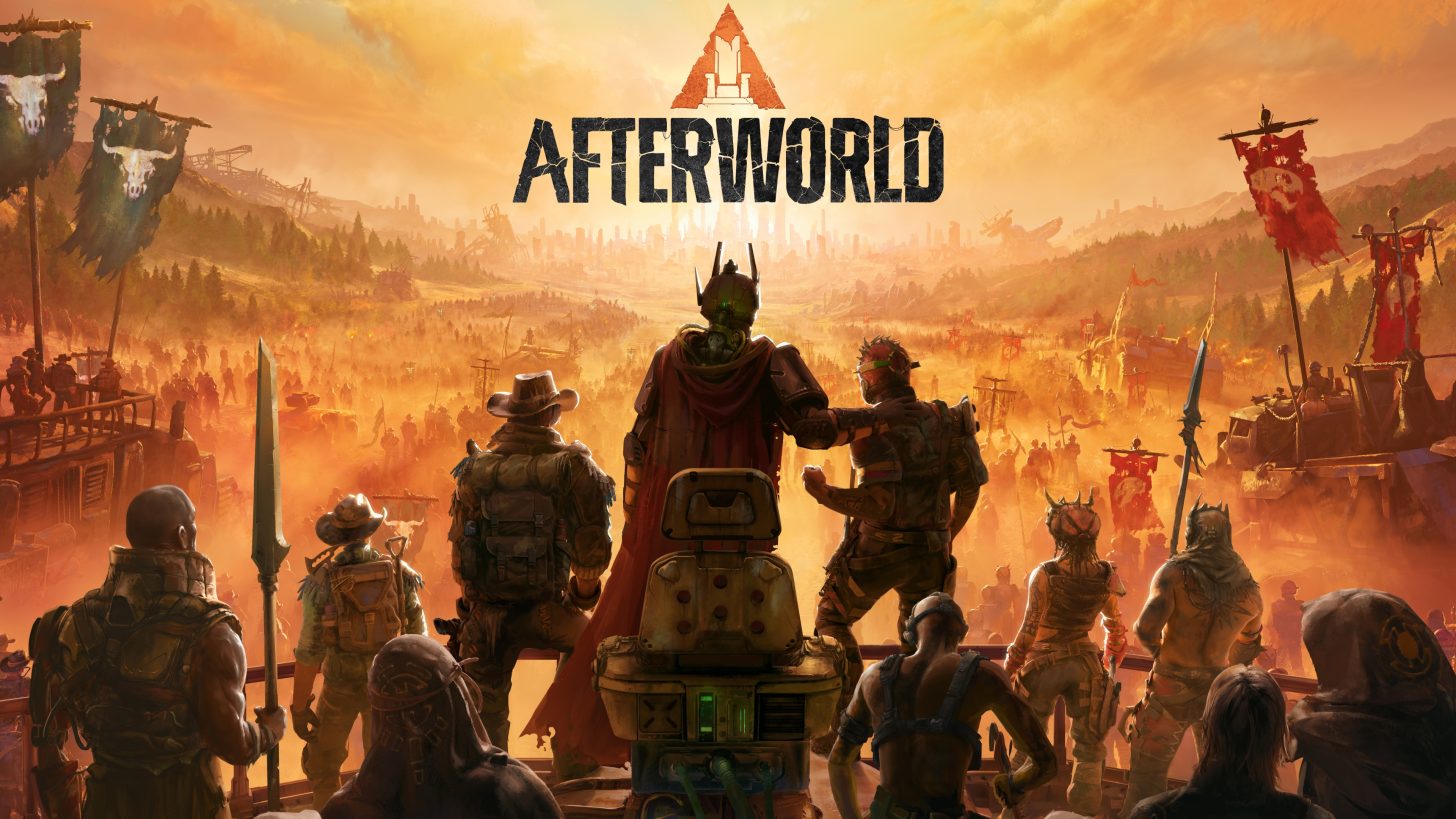
Swedish gaming giant Paradox Interactive has made waves at Gamescom 2024 with the announcement of Afterworld, an ambitious new grand strategy title that marks a significant departure from the company’s historical focus. Developed by Paradox Development Studio, the game will transport players to a devastated North American landscape where civilization has crumbled and survivors must navigate treacherous terrain, dangerous ruins, and competing factions clinging to memories of the old world. While no specific release date has been confirmed, the announcement has already generated substantial excitement within the strategy gaming community.
The reveal positions Afterworld as an entirely new intellectual property for Paradox, a company traditionally known for historical and contemporary grand strategy experiences such as Crusader Kings, Europa Universalis, and Hearts of Iron. This venture into post-apocalyptic territory represents a bold creative risk for the studio, suggesting a willingness to expand beyond their established comfort zone. According to Paradox, players will face both strategic challenges and profound moral dilemmas as they guide a small group of survivors on an epic journey to build a continent-spanning empire from the ashes of the fallen world.
A New Direction for a Legendary Studio
Paradox Interactive has built its reputation over more than two decades by creating some of the most complex and rewarding strategy games available. Founded in 1999 in Stockholm, Sweden, the company revolutionized the grand strategy genre by introducing real-time gameplay with pause functionality, allowing players to manage vast empires while maintaining tactical control over individual decisions. Their flagship titles have consistently attracted dedicated player bases willing to invest hundreds or even thousands of hours mastering intricate political, economic, and military systems. The announcement of Afterworld signals that Paradox is ready to apply this expertise to an entirely different setting.
The post-apocalyptic setting offers unique opportunities for grand strategy gameplay that historical titles cannot provide. Unlike games set during established historical periods, Afterworld presents a blank canvas where players can shape the emergence of new civilizations, ideologies, and power structures. This freedom could allow for unprecedented narrative flexibility while maintaining the deep strategic systems that Paradox fans expect. Industry analysts note that the post-apocalyptic genre has remained consistently popular in gaming, with titles like Fallout, Metro, and The Last of Us demonstrating strong commercial appeal.
Strategic Depth Meets Survival Challenges
Based on the initial announcement, Afterworld appears to blend traditional grand strategy elements with survival mechanics appropriate to its setting. Players will reportedly encounter hazardous terrain that requires careful planning to traverse, old-world ruins that may contain valuable resources or deadly dangers, and desperate survivors who could become allies or enemies depending on player choices. The emphasis on moral crises suggests that Afterworld will incorporate meaningful decision-making with lasting consequences, a hallmark of Paradox’s design philosophy that has made their games so compelling.
The North American setting provides a vast and diverse landscape for strategic gameplay. From frozen northern territories to scorched southern deserts, players may need to adapt their strategies to different environmental challenges. The mention of survivors “clinging to time-gone-by” hints at faction diversity, potentially including groups attempting to restore old-world order, those embracing new philosophies suited to the changed world, and perhaps religious or ideological movements born from catastrophe. This diversity could create rich diplomatic and military possibilities as players navigate competing visions for humanity’s future.
What This Means for Grand Strategy Gaming
The announcement of Afterworld arrives during a significant period for Paradox Interactive. The company has faced both triumphs and challenges in recent years, with successful launches alongside some criticized releases that failed to meet community expectations. A completely new IP represents both opportunity and risk, allowing fresh creative approaches while lacking the established fan base of their historical franchises. However, the post-apocalyptic grand strategy niche remains relatively unexplored, potentially giving Afterworld a unique market position.
Gaming industry observers will be watching closely to see how Paradox adapts their proven gameplay systems to this new context. The company’s commitment to long-term game support through downloadable content and regular updates has created dedicated communities around their titles, and similar support for Afterworld could establish it as a lasting franchise. As more details emerge in the coming months, strategy enthusiasts worldwide will be eager to learn how Paradox plans to merge their signature complexity with the dramatic possibilities of a world reborn from apocalypse.
Expert Opinion: Paradox’s move into post-apocalyptic territory represents a calculated strategic expansion that could revitalize the grand strategy genre by attracting players who may have been intimidated by historical settings. If the studio successfully translates their signature depth and emergent storytelling into this new framework, Afterworld could establish a template for future genre innovations while potentially becoming Paradox’s most accessible entry point for newcomers to grand strategy gaming.