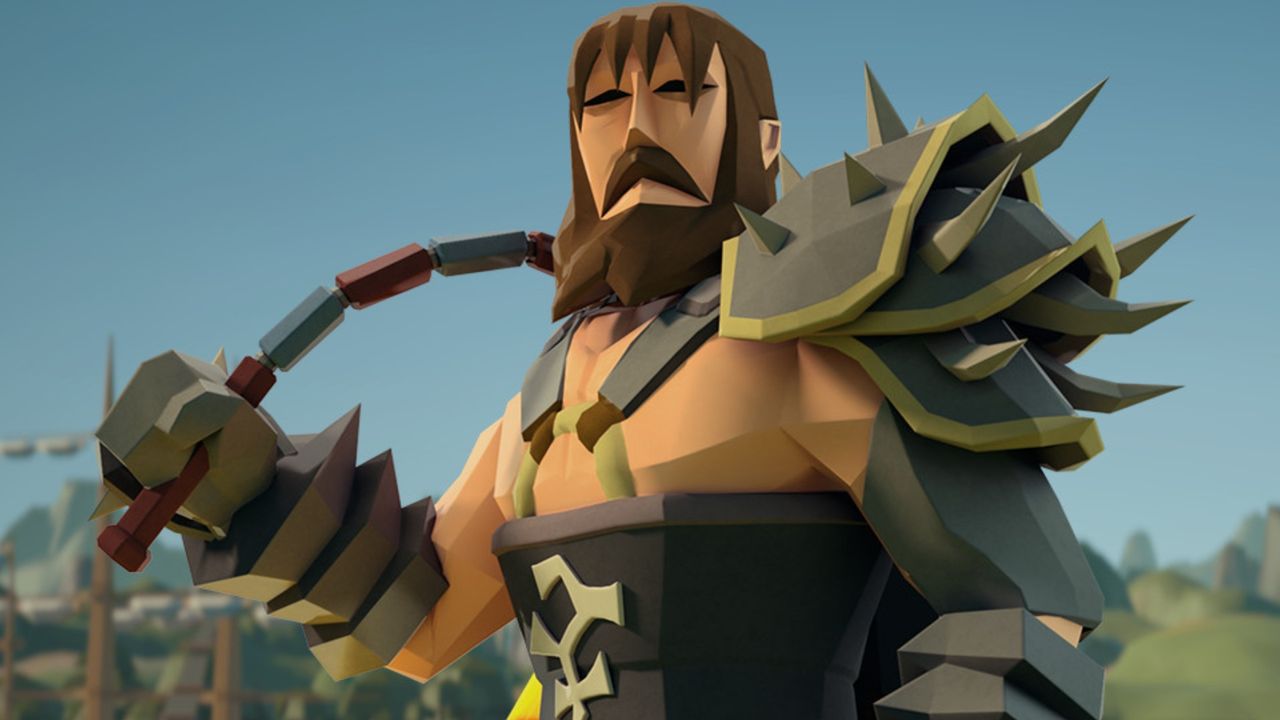
In the world of massively multiplayer online games, few stories are as remarkable as that of Old School RuneScape. What began as a nostalgic experiment born from a literal desk drawer discovery has transformed into one of gaming’s most enduring success stories. This summer, RuneScape developer Jagex held its first-ever live event outside the United Kingdom — the Deadman All Stars PvP tournament — marking a significant milestone for a game that continues to defy industry expectations more than a decade after its unconventional launch.
The event, held in June and representing Jagex’s largest live gathering to date, brought together competitive players from around the world to battle in Old School RuneScape’s intense player-versus-player format. During the tournament, OSRS Creative Director Kieren Charles shared insights into the game’s remarkable journey and his philosophy for managing a unique product that essentially runs parallel to its parent game while maintaining its own distinct identity and passionate community.
The Desk Drawer Discovery That Changed Everything
The origin story of Old School RuneScape reads almost like industry legend. In 2013, facing pressure from players who yearned for the simpler mechanics of the game’s earlier era, Jagex developers made a surprising discovery: a backup of the 2007 version of RuneScape had been sitting in a developer’s desk drawer. This serendipitous find allowed Jagex to offer players exactly what they had been requesting — a faithful recreation of the game as it existed before controversial updates had fundamentally altered its character. What began as a response to player nostalgia has since evolved into a thriving game in its own right, with development that has taken it in entirely new directions while maintaining the core feel that made the original so beloved.
The decision to launch Old School RuneScape represented a gamble for Jagex. Running two versions of essentially the same game simultaneously was unprecedented in the MMO space, and many industry observers questioned whether the nostalgic appeal would sustain long-term engagement. Those doubts have been thoroughly dispelled. The game has not only survived but flourished, consistently attracting new players while retaining its dedicated veteran community. Recent subscriber numbers have set records for the entire RuneScape franchise, demonstrating that the appetite for this particular style of gameplay remains remarkably strong.
A Quarter Century of RuneScape History
To understand Old School RuneScape’s significance, one must appreciate the broader history of the franchise. RuneScape originally launched in 2001, created by brothers Andrew and Paul Gower. It quickly became one of the most popular free-to-play MMORPGs in the world, distinguished by its browser-based accessibility and deep, skill-based gameplay systems. At its peak in the mid-2000s, RuneScape boasted hundreds of millions of registered accounts and a concurrent player base that rivaled industry giants. The game’s point-and-click interface and distinctive visual style became iconic, introducing an entire generation to the MMO genre without requiring expensive hardware or software purchases.
However, a series of updates in 2007 and subsequent years — including the removal of free trade and wilderness PvP — proved deeply divisive among the player base. These changes, implemented partly to combat real-world trading and bot accounts, fundamentally altered the game’s economy and social dynamics. While Jagex eventually reversed many of these decisions, the damage to player trust had been done. The 2013 launch of Old School RuneScape, based on that fortuitous 2007 backup, offered disaffected players a permanent home that preserved the game mechanics they loved.
Creative Direction and Community-Driven Development
Under Kieren Charles’s creative leadership, Old School RuneScape has developed a unique approach to game management that prioritizes community input to an unusual degree. Major updates and changes are subject to player polls, requiring 75% approval before implementation. This democratic model has fostered an exceptionally engaged community that feels genuine ownership over the game’s direction. Charles and his team have navigated the delicate balance between preserving the nostalgic appeal that draws players to Old School RuneScape while introducing fresh content that keeps the experience engaging year after year. The success of events like Deadman All Stars demonstrates that this approach continues to resonate with both longtime veterans and newcomers discovering the game for the first time. As Old School RuneScape enters its thirteenth year, it stands as proof that understanding and respecting a game’s community can yield remarkable longevity in an industry often focused solely on the next big release.
Expert Opinion: Old School RuneScape’s continued success represents a fascinating case study in gaming preservation and community management. As the broader MMO market struggles with player retention and the challenges of live-service fatigue, OSRS demonstrates that authentic engagement with player desires — rather than chasing trends — can build sustainable long-term success. Expect other studios to study Jagex’s community polling model as they seek similar longevity for their own titles.