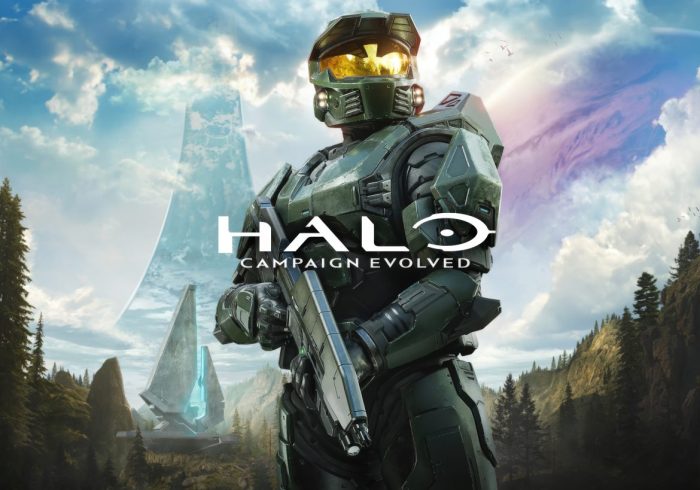
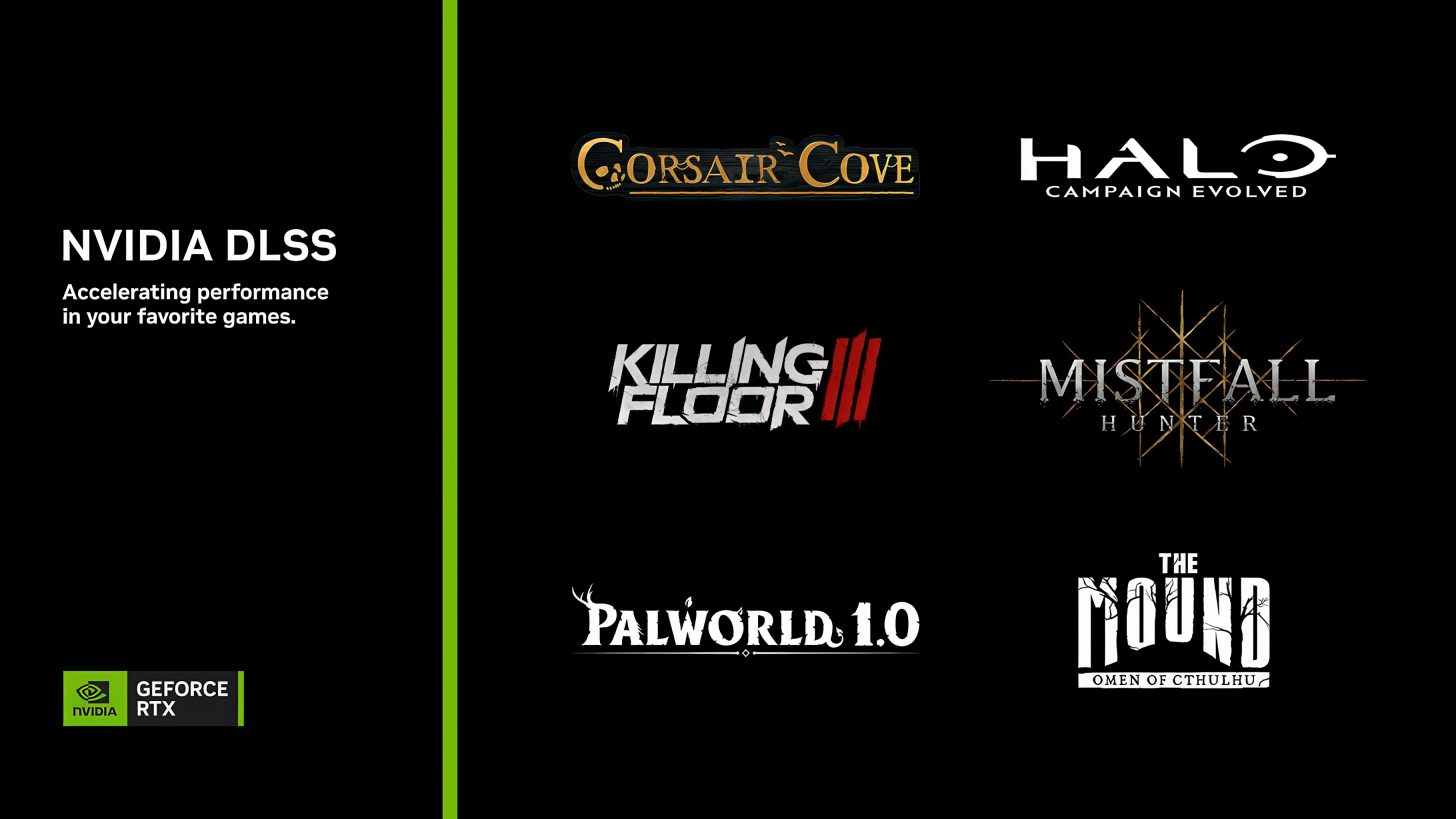
NVIDIA has officially released its latest Game Ready Driver for GeForce graphics cards, delivering optimized performance for the highly anticipated launch of Halo: Campaign Evolved and the upcoming Gears of War: E-Day beta. This driver update represents another significant step in NVIDIA’s ongoing commitment to ensuring PC gamers experience the best possible performance on day one of major game releases. The timing couldn’t be more critical, as the gaming community eagerly awaits these blockbuster titles that have been generating substantial buzz across the industry.
Halo: Campaign Evolved launches today following a brief period of advanced access for select players, bringing with it native support for several cutting-edge NVIDIA technologies. The game includes built-in compatibility with DLSS Super Resolution, DLSS Frame Generation, and NVIDIA Reflex, creating a comprehensive suite of performance-enhancing features that promise to deliver smoother gameplay and reduced input latency. Through the NVIDIA app, GeForce users can further enhance their experience by upgrading to DLSS 4.5 Dynamic Multi Frame Generation alongside the latest Super Resolution model, representing the most advanced iteration of NVIDIA’s AI-powered upscaling technology to date.
The Evolution of DLSS Technology
DLSS, which stands for Deep Learning Super Sampling, has undergone remarkable evolution since its initial introduction in 2018. The technology leverages dedicated Tensor Cores found in NVIDIA’s RTX graphics cards to perform AI-accelerated rendering, effectively allowing games to run at higher frame rates while maintaining exceptional visual quality. DLSS 4.5 represents the culmination of years of research and development, with Dynamic Multi Frame Generation being the crown jewel of this iteration. This feature intelligently adjusts frame generation based on real-time workload analysis, ensuring optimal performance without compromising visual fidelity or introducing unwanted artifacts.
The importance of NVIDIA Reflex cannot be understated, particularly for competitive gamers who demand the lowest possible input latency. This technology works by optimizing the render queue and reducing CPU backpressure, resulting in a more responsive gaming experience. Studies have shown that reduced latency can significantly improve player performance in fast-paced games, making the inclusion of Reflex support in Halo: Campaign Evolved particularly welcome news for the franchise’s dedicated multiplayer community.
New Releases Embrace NVIDIA Technologies
The driver release also prepares systems for tomorrow’s launch of Mistfall Hunter, an extraction action RPG developed by Chinese studio Bellring Games. This title showcases the increasingly global adoption of NVIDIA’s gaming technologies, featuring support for DLSS Super Resolution, Multi Frame Generation, and Dynamic Multi Frame Generation. The extraction genre has exploded in popularity over recent years, combining elements of survival games with high-stakes PvPvE gameplay, and having access to NVIDIA’s performance-boosting technologies could prove crucial for maintaining smooth framerates during intense encounters.
Looking ahead, the Gears of War: E-Day beta represents another major milestone for PC gaming enthusiasts. The Gears of War franchise has been a cornerstone of third-person action gaming since its original 2006 release, and E-Day promises to continue that legacy with modern visual fidelity and gameplay innovations. NVIDIA’s Game Ready Driver ensures that players participating in the beta will experience optimized performance from the moment servers go live, allowing developers to gather valuable feedback without technical issues overshadowing the gameplay experience.
The Broader Gaming Landscape
NVIDIA’s continued investment in Game Ready Drivers reflects the company’s understanding that hardware alone cannot guarantee optimal gaming experiences. These drivers undergo extensive testing and optimization for specific games, often developed in close collaboration with game studios to ensure that NVIDIA hardware can fully leverage each title’s unique rendering techniques and visual effects. For consumers, this translates to plug-and-play optimization without the need for manual tweaking or troubleshooting.
The gaming industry has witnessed unprecedented growth over the past decade, with PC gaming establishing itself as a dominant force in the market. According to industry analysts, the global gaming market is projected to exceed $200 billion in annual revenue, with PC gaming capturing a substantial portion of that figure. Technologies like DLSS have become increasingly important as game developers push visual boundaries while hardware capabilities struggle to keep pace with ever-increasing demands. By leveraging AI to bridge this gap, NVIDIA has positioned itself at the forefront of gaming technology innovation, ensuring that players can enjoy cutting-edge visuals without necessarily requiring the most expensive hardware available.
Expert Opinion: NVIDIA’s strategic timing of this Game Ready Driver release, coinciding with multiple high-profile game launches, demonstrates the company’s sophisticated approach to maintaining market dominance. As DLSS technology matures and gains wider developer adoption, we can expect the performance gap between NVIDIA and competing solutions to become an increasingly decisive factor in consumer purchasing decisions. The integration of Dynamic Multi Frame Generation in DLSS 4.5 suggests that AI-driven rendering optimization will continue to be the primary battleground for graphics technology advancement throughout 2025 and beyond.