In the contemporary entertainment landscape, anime and video games have become virtually inseparable mediums, feeding off each other’s success in a symbiotic relationship that generates billions of dollars annually. Major anime franchises routinely spawn video game adaptations, while popular games inspire animated series and films. However, this harmonious coexistence was not always the case. Legendary anime director Yoshiyuki Tomino, the creative mastermind behind the iconic Mobile Suit Gundam franchise, once harbored deep animosity toward the video game industry, viewing it as a direct threat to the art form he dedicated his life to creating.
Tomino’s perspective reflects a fascinating chapter in entertainment history when different media formats competed fiercely for audience attention and leisure time. During the formative years of the video game industry in the 1980s and early 1990s, many traditional media creators viewed gaming as a disruptive force that threatened to cannibalize their audiences. The anime industry, in particular, faced significant challenges as young Japanese consumers increasingly divided their entertainment budgets and free time between animated content and the rapidly evolving world of console and arcade gaming.
The Origins of Tomino’s Animosity Toward Gaming
Yoshiyuki Tomino, often referred to as the “father of the real robot genre,” revolutionized anime when he created Mobile Suit Gundam in 1979. The series introduced a more realistic approach to giant robot storytelling, exploring themes of war, politics, and human nature rather than the super robot fantasy that dominated the genre previously. Given his passionate commitment to anime as a legitimate artistic medium capable of exploring complex narratives, Tomino’s resistance to video games becomes more understandable. He reportedly expressed wishes that video games would stop selling entirely, believing they were siphoning creative talent and audience attention away from anime production.
The director’s concerns were not entirely unfounded during that era. The video game industry experienced explosive growth throughout the 1980s and 1990s, with companies like Nintendo, Sega, and Sony transforming entertainment consumption habits worldwide. Animation studios struggled to compete for both viewers and skilled artists, as the gaming industry offered lucrative opportunities for animators and designers. Many talented individuals who might have contributed to anime production instead found themselves drawn to the interactive medium, attracted by higher salaries and the excitement of working in a cutting-edge field.
The Eventual Convergence of Anime and Gaming
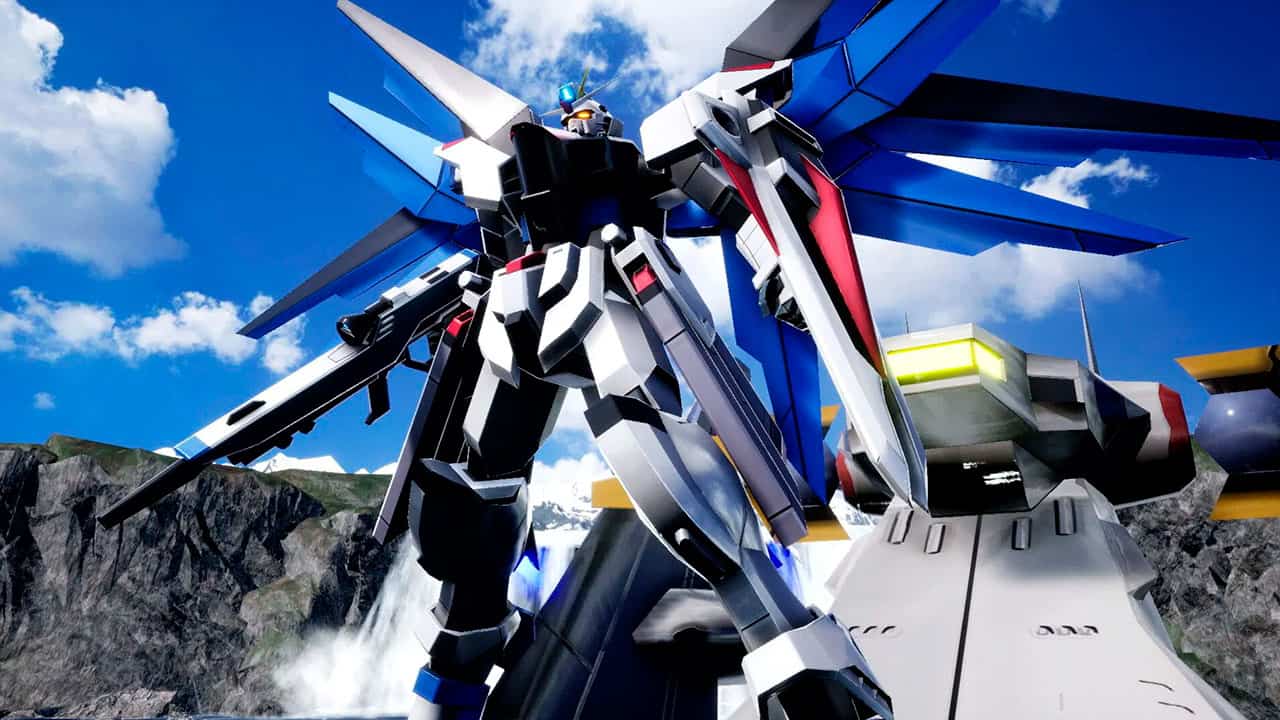
Despite Tomino’s early resistance, the relationship between anime and video games evolved dramatically over the subsequent decades. Rather than remaining competitors, the two industries discovered tremendous mutual benefits through collaboration and cross-promotion. The Gundam franchise itself became a prime example of this convergence, spawning dozens of video game adaptations across multiple platforms. Titles like the Gundam Versus series, Dynasty Warriors Gundam, and various simulation games have generated substantial revenue while introducing new generations to Tomino’s universe. The success of these gaming ventures ultimately helped sustain and expand the very franchise that their creator once wished would remain untouched by interactive entertainment.
Today’s entertainment ecosystem demonstrates how thoroughly these once-rival industries have merged. Anime streaming platforms feature gaming content alongside traditional animation, while gaming events showcase anime-inspired titles prominently. The distinction between anime fans and gamers has largely dissolved, with most enthusiasts embracing both mediums. Mobile gaming, in particular, has become a crucial revenue source for anime franchises, with gacha games generating billions of dollars for properties ranging from Fate/Grand Order to Dragon Ball. Industry analysts note that modern anime productions are often greenlit specifically because of their potential for successful game adaptations, reversing the dynamic that once troubled creators like Tomino.
Legacy and Lessons for Modern Media Industries
Tomino’s historical stance serves as a compelling reminder of how technological disruption affects creative industries and the professionals within them. His concerns about artistic integrity and audience fragmentation echo similar debates occurring today regarding streaming services, artificial intelligence, and social media’s impact on traditional entertainment. While the legendary director eventually made peace with gaming’s role in anime culture, his early resistance highlights the genuine anxieties that creative professionals experience when new technologies threaten established art forms. The ultimate lesson from this chapter of entertainment history may be that adaptation and collaboration, rather than resistance, typically yield the best outcomes for all parties involved in the creative ecosystem.
Expert Opinion: The evolution from Tomino’s adversarial view to today’s symbiotic anime-gaming relationship illustrates a broader pattern in media history where initial competition ultimately gives way to collaboration and mutual enhancement. Industry observers anticipate this convergence will only deepen as virtual reality, augmented reality, and AI-generated content blur the boundaries between passive viewing and interactive experiences, potentially creating entirely new hybrid entertainment forms that neither traditional anime nor gaming could achieve independently.