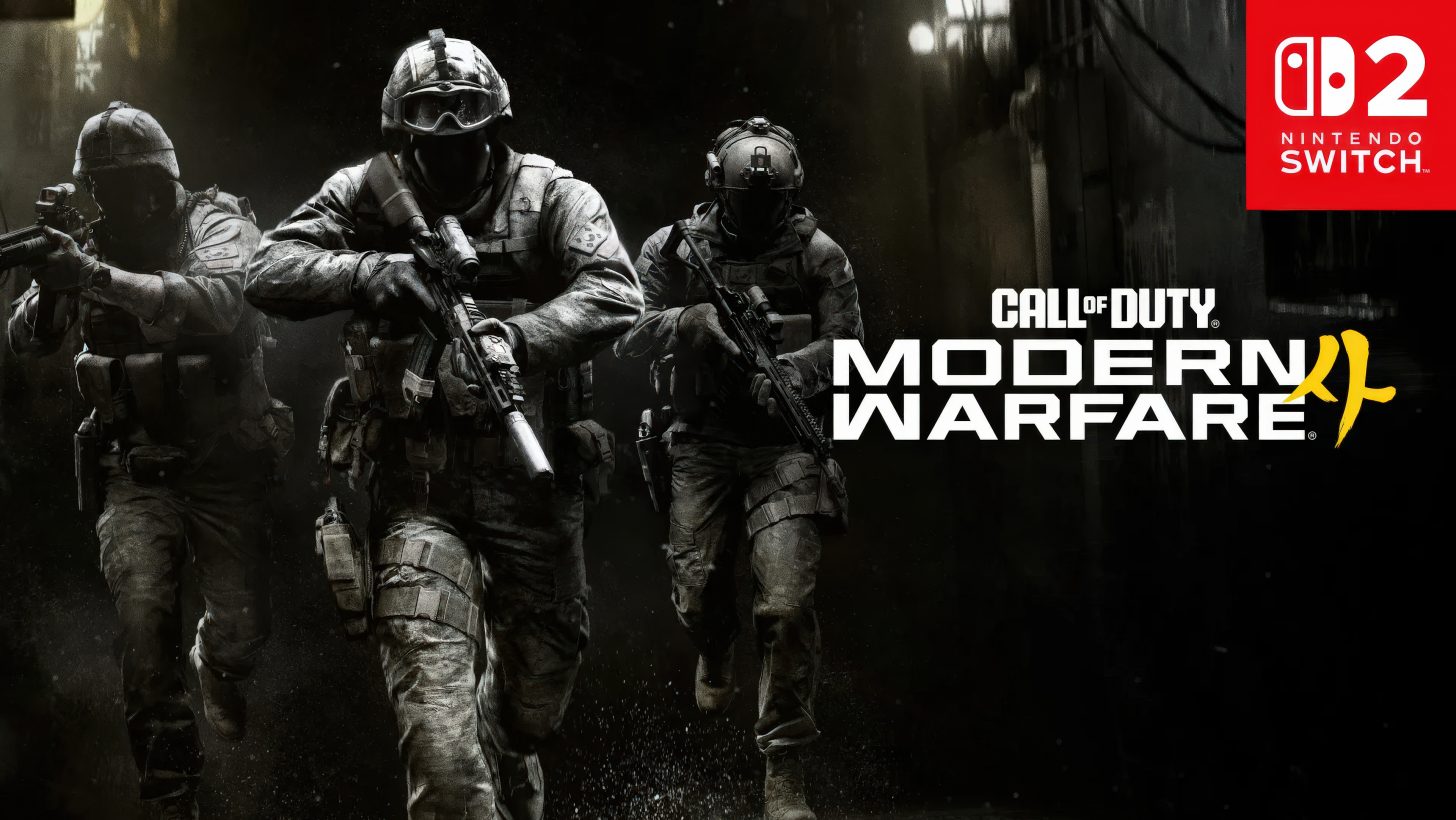
After years of anticipation and a landmark business agreement between two gaming giants, Call of Duty has finally made its way to a Nintendo platform. The journey began on February 21, 2023, when Microsoft and Nintendo signed a binding 10-year contract ensuring that Activision’s flagship first-person shooter franchise would appear on Nintendo consoles. This agreement was a crucial component of Microsoft’s strategy to gain regulatory approval for its massive $69 billion acquisition of Activision Blizzard, which was completed in October 2023. Now, with the release of Call of Duty: Modern Warfare 4 on the horizon, Switch 2 owners are getting their first taste of the beloved franchise—though early reports suggest the experience may not meet expectations.
The pre-order beta for Modern Warfare 4 is currently available on PC, PlayStation 5, and Xbox Series S|X, allowing players to test the game’s multiplayer modes before its official launch. Notably, the Switch 2 version is not part of this public beta phase. However, select content creators and gaming journalists have been granted early access to the Nintendo version, and their initial impressions have sparked considerable discussion within the gaming community. Popular YouTubers including Spawn Wave and the team at Nintendo World Report have shared their hands-on experiences, revealing both the achievements and limitations of bringing such a demanding title to Nintendo’s new hybrid console.
The Technical Challenges of Porting Call of Duty to Switch 2
Bringing a technically demanding franchise like Call of Duty to Nintendo hardware has always been a significant challenge. The original Nintendo Switch, launched in 2017, was never powerful enough to run modern Call of Duty titles at acceptable frame rates and visual quality. The Switch 2, unveiled in early 2025, represents a substantial leap in processing power with its upgraded NVIDIA custom processor and improved memory architecture. Nevertheless, early testers report that Modern Warfare 4 on Switch 2 struggles to match the visual fidelity and performance of its PlayStation and Xbox counterparts. Reports indicate issues with texture quality, frame rate stability, and overall graphical polish that may disappoint players expecting a comparable experience across platforms.
The Call of Duty franchise has historically pushed the boundaries of console hardware, with each new installment demanding more processing power, faster memory, and advanced graphical capabilities. Modern Warfare 4 is no exception, featuring ray tracing effects, high-resolution textures, and complex physics simulations on premium platforms. Translating these features to the Switch 2’s mobile-oriented architecture requires significant compromises. Developers must balance visual quality with performance, often reducing resolution, simplifying lighting effects, and lowering texture detail to maintain playable frame rates. This balancing act appears to be where the Switch 2 version currently falls short, according to those who have tested it.
Historical Context: The Long Road to Nintendo
The absence of Call of Duty on Nintendo platforms has been a notable gap in the company’s third-party lineup for over a decade. While earlier entries in the franchise appeared on the Nintendo Wii and even the Wii U, the series completely skipped the Nintendo Switch era. This absence was largely attributed to the technical limitations of Nintendo’s hardware and Activision’s focus on more powerful platforms where the majority of Call of Duty’s player base resided. The Microsoft-Nintendo deal was specifically designed to address regulatory concerns that Microsoft’s acquisition could lead to Call of Duty becoming an Xbox exclusive, potentially harming competition in the gaming market. By committing to a decade-long agreement with Nintendo, Microsoft demonstrated its intention to keep the franchise widely available.
Industry analysts suggest that the success or failure of Call of Duty on Switch 2 could have broader implications for third-party support on Nintendo platforms. If the port receives poor reception, it may discourage other publishers from investing resources in Switch 2 versions of demanding titles. Conversely, if Activision can address the current issues and deliver an acceptable experience at launch, it could open the door for more ambitious ports in the future. The gaming community will be watching closely as development continues and more information emerges about potential improvements before the game’s official release.
What This Means for Switch 2 Owners and the Future
Despite the initial disappointment, many observers note that pre-release builds often differ significantly from final retail versions. Developers frequently optimize performance and address technical issues in the final weeks before launch. Switch 2 owners hoping to play Call of Duty on their preferred platform may yet see improvements as Activision continues refining the port. The company has strong financial incentives to deliver a quality product, as the Nintendo audience represents a substantial untapped market for the franchise. With millions of potential new players, successfully establishing Call of Duty on Switch 2 could generate significant additional revenue and expand the franchise’s reach to demographics that prefer Nintendo’s family-friendly ecosystem.
Expert Opinion: The initial struggles of Call of Duty on Switch 2 highlight the persistent challenge of bridging the performance gap between Nintendo’s hybrid console philosophy and the raw power demands of modern AAA shooters. However, this partnership represents a pivotal test case that could reshape third-party publisher attitudes toward Nintendo platforms for years to come. If Activision successfully optimizes the final release, we may see a new era of ambitious multiplatform releases that no longer treat Nintendo hardware as an afterthought.