Mass Effect fans have spent years searching for a new choice-driven RPG that captures the magic of BioWare’s legendary space opera, and almost always finding themselves disappointed. Aside from the valiant efforts of AA studios like the now-defunct Spiders and Piranha Bytes, remarkably few developers have attempted to replicate the narrative depth, memorable characters, and consequential decision-making that defined the Mass Effect trilogy. The challenge becomes even greater when confined to science fiction settings, where world-building demands are extraordinarily high. Similarly, fans of The Expanse—the phenomenal series of novels by James S.A. Corey that spawned an equally acclaimed television adaptation and a Telltale adventure game—have been left wanting for more interactive experiences in that beloved universe. Now, however, an ambitious free-to-play project is offering both communities exactly what they’ve been craving.
A Massive Free RPG Emerges From The Void
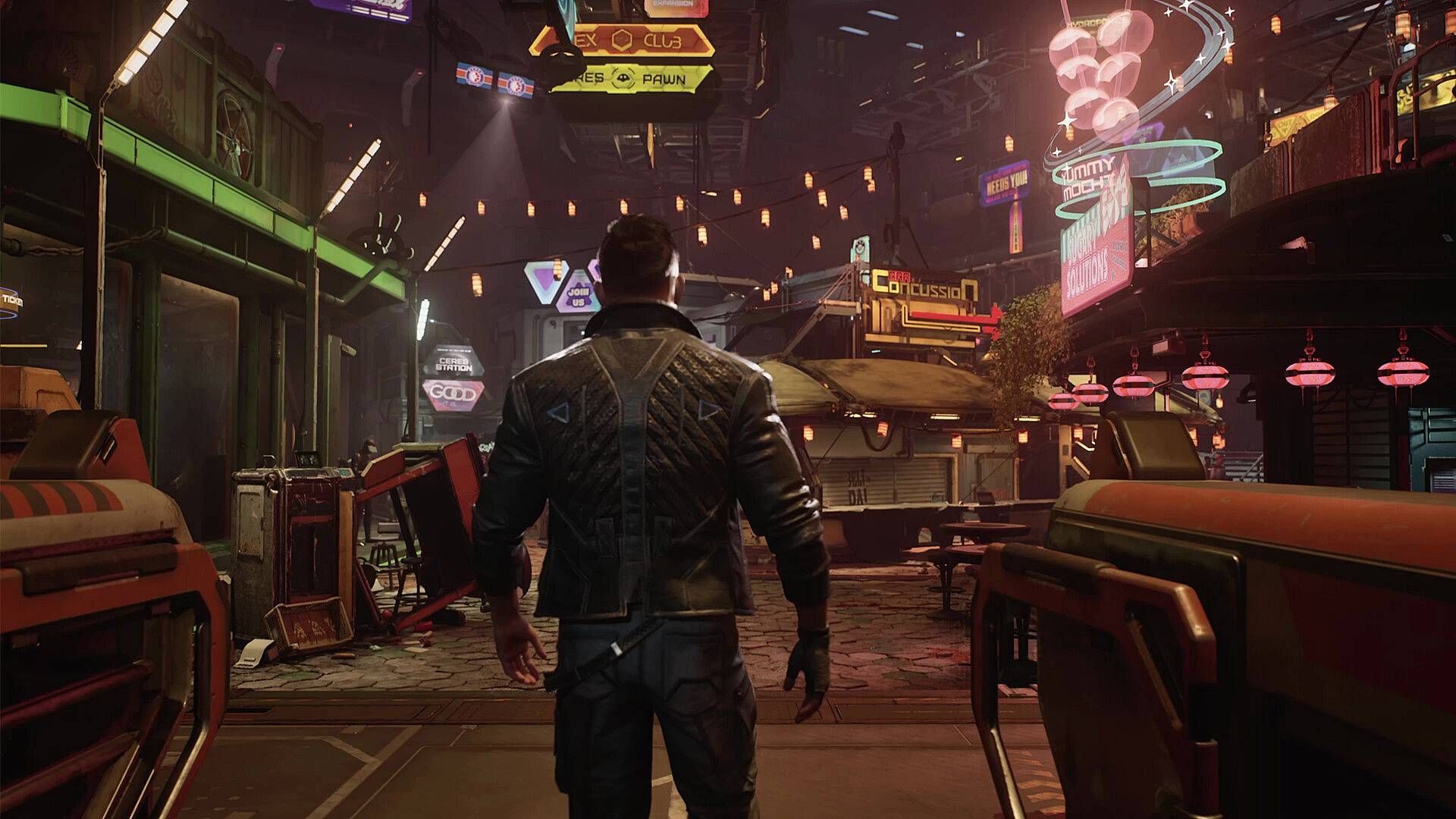
The gaming community has been buzzing about a remarkable free RPG that combines the political intrigue and hard science fiction sensibilities of The Expanse with the character-driven storytelling and branching narratives that made Mass Effect a cultural phenomenon. Boasting an impressive 9 out of 10 review score and offering approximately 99 hours of gameplay content, this project represents one of the most ambitious undertakings in the free-to-play RPG space. The game delivers a sprawling narrative experience across multiple star systems, featuring fully realized alien civilizations, complex faction politics, and the kind of meaningful player choices that ripple throughout the entire storyline.
What makes this achievement particularly noteworthy is the context of the current gaming landscape. Major publishers have largely abandoned the single-player, story-focused RPG format that BioWare once dominated, instead pivoting toward live-service models and multiplayer experiences. The void left by BioWare’s shift in focus—most notably with the troubled development of Anthem and the mixed reception of Mass Effect Andromeda—created an opening that smaller studios and passionate developers have attempted to fill with varying degrees of success.
The Legacy of Choice-Driven Science Fiction Gaming
The appeal of games like Mass Effect extends far beyond simple nostalgia. When Commander Shepard first stepped onto the Normandy in 2007, players experienced something genuinely revolutionary: a space opera where their decisions shaped not just immediate outcomes but the fate of entire civilizations. The trilogy’s save import system, which carried choices across three games spanning five years of real-world development, remains one of gaming’s most ambitious narrative experiments. Characters lived or died based on player choices, romances bloomed or withered, and entire species faced extinction or salvation depending on the actions taken hours earlier.
The Expanse, meanwhile, brought a different flavor to science fiction storytelling. Beginning as a novel series in 2011, it presented a realistic vision of humanity’s expansion into the solar system, complete with the political tensions, resource conflicts, and class divisions that such expansion would inevitably create. When Telltale Games adapted The Expanse for an interactive format, it proved that the franchise’s complex moral landscape was perfectly suited for choice-based gaming. However, Telltale’s episodic format and the studio’s well-documented struggles meant that the full potential of an Expanse-style game was never fully realized.
Why Free-To-Play Changes Everything
The decision to release such an expansive RPG as a free-to-play title carries significant implications for the industry. Traditional wisdom suggests that narrative-heavy RPGs require premium pricing to justify their development costs, yet this project challenges that assumption directly. By removing the financial barrier to entry, the developers have potentially opened their creation to millions of players who might otherwise have passed on a $60 or $70 purchase. The 99-hour runtime suggests a level of content typically associated with the most expensive AAA releases, making the free price point even more remarkable.
Industry analysts have noted that successful free-to-play RPGs often rely on cosmetic monetization or optional content expansions rather than pay-to-win mechanics that would undermine the narrative experience. This approach allows dedicated players to support development while ensuring that the core story remains accessible to everyone. For fans who have watched beloved studios close their doors and promising projects get cancelled due to financial pressures, this model represents a potential path forward for the genre they love.
Expert Opinion: The emergence of high-quality free-to-play narrative RPGs signals a potential paradigm shift in how story-driven games reach audiences. As traditional publishers continue retreating from single-player experiences, community-driven and independently funded projects may increasingly fill that void, potentially creating a renaissance for the choice-driven RPG genre that has been languishing since BioWare’s golden era ended.