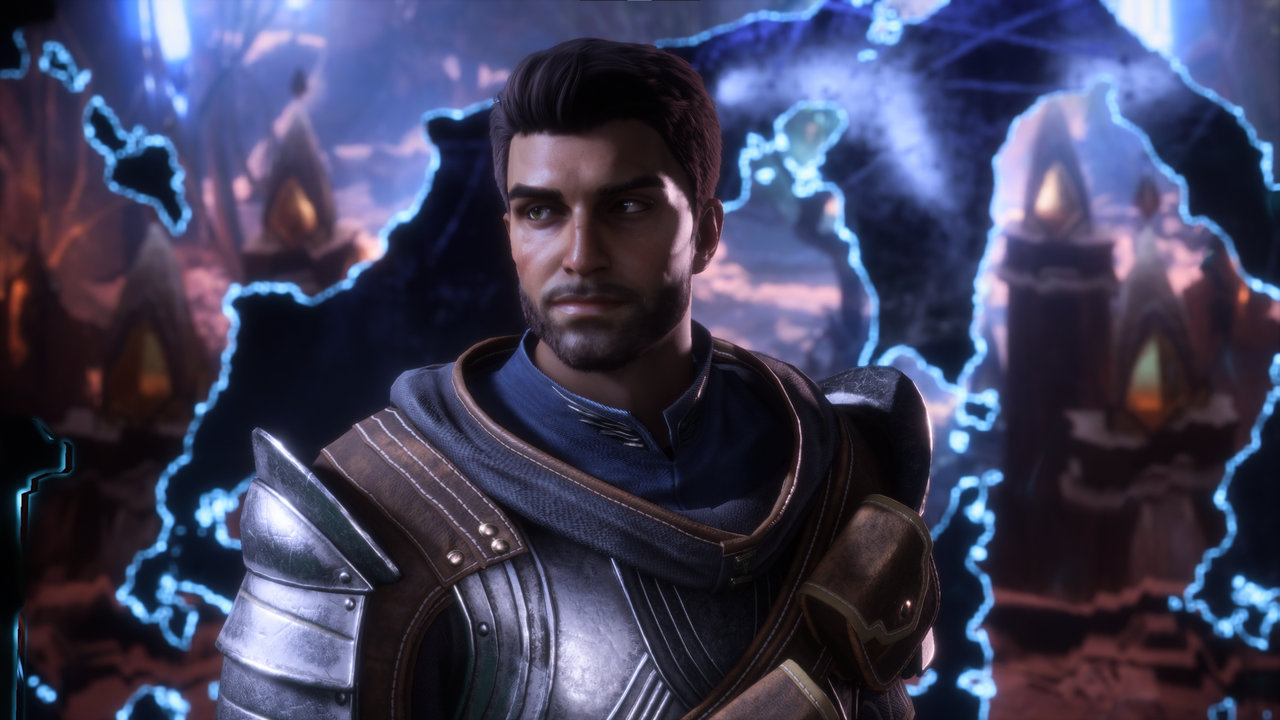
The future of BioWare’s beloved Dragon Age franchise appears increasingly uncertain, according to former series producer and longtime studio veteran Mark Darrah. In a recent interview with FRVR, Darrah painted a sobering picture of the challenges facing any potential revival of the epic fantasy role-playing series, citing Electronic Arts’ complex corporate dynamics and a growing collection of abandoned intellectual properties that he describes as “frightening.”
BioWare’s fantasy saga hasn’t had a smooth ride in recent years, which is particularly surprising given that Dragon Age: Inquisition was both a critical darling and commercial success when it launched in 2014. The game won numerous Game of the Year awards and sold millions of copies worldwide, seemingly cementing the franchise’s place as one of gaming’s premier RPG series. However, the decade that followed told a very different story, marked by multiple internal reboots, creative struggles, and mounting pressure from EA’s corporate leadership.
The Veilguard’s Troubled Reception
After an agonizing ten-year wait between mainline entries, Dragon Age: The Veilguard finally launched in 2024 to what can only be described as a lukewarm reception. The game’s sales figures fell short of expectations, representing a significant disappointment for both BioWare and EA. The lengthy development cycle, which saw the project undergo multiple complete overhauls, seemed to have taken its toll on the final product. Darrah suggests these troubles were perhaps “happening because of EA’s complicated relationship to shipping games at all.”
The veteran developer, who spent over two decades at BioWare shaping some of gaming’s most influential RPGs, offered a particularly biting assessment of EA’s corporate priorities. “Someone once described to me EA as a hedge fund with a video game hobby that it wished it didn’t spend so much money on, and I think that remains true,” Darrah recalled. This characterization reflects a long-standing criticism of EA’s approach to game development, where financial considerations often appear to overshadow creative ambitions.
A Graveyard of Beloved Franchises
Darrah’s concerns extend beyond just Dragon Age to EA’s broader portfolio management. “EA owns a frightening number of IPs that are dormant,” he observed, pointing to a corporate landscape littered with once-beloved franchises that have been left to languish. Dragon Age now finds itself in the same metaphorical cell as Titanfall, the critically acclaimed first-person shooter that hasn’t seen a new mainline entry since 2016, and Mirror’s Edge, the innovative parkour action game whose last installment came in 2016. Other casualties of EA’s dormant IP graveyard include Dead Space, which saw a brief revival through a remake, and the Medal of Honor series, which once competed directly with Call of Duty.
The challenges facing a potential Dragon Age revival are multifaceted, according to Darrah. “I have no concept of who could, would, possibly pitch that at EA,” he admitted. The situation is complicated by the fact that BioWare itself has been decimated by multiple rounds of mass layoffs over the past few years. The studio that once employed hundreds of talented developers has seen its workforce significantly reduced, raising questions about whether it even has the capacity to develop a new Dragon Age alongside its ongoing work on the next Mass Effect game.
Internal Politics and External Pressures
Darrah also highlighted the potential for internal corporate conflict should anyone attempt to pitch a new Dragon Age project. “The problem is I don’t know who at BioWare would pitch a Dragon Age,” he explained. “So the other option is somebody else within the EA organization decides they’re gonna pitch a Dragon Age and, what I expect would happen if they try to do that, is somebody at BioWare would essentially become one of those people jumping under the vents to rip that person apart.” This vivid metaphor suggests deep-seated territorial instincts within EA’s corporate structure that could doom any revival attempt from the start.
Complicating matters further is the impending proposed acquisition of EA by a consortium of investment firms led by the Saudi Arabian Public Investment Fund. This massive deal, if completed, would fundamentally reshape the gaming giant’s corporate priorities and decision-making processes. Darrah openly questioned whether new ownership would even value BioWare or its franchises at all. “I could argue yes and no… do you want BioWare at all in this world?” he mused, leaving the studio’s future hanging in uncertain balance.
Despite these challenges, the Dragon Age community has refused to abandon their beloved franchise. Dedicated fans continue to create expansive mods, fan fiction, and community content that keeps the world of Thedas alive. “It’s a really compelling place to be left in,” one community leader noted, reflecting the bittersweet situation facing fans who love a series that may never see another entry. Whether Dragon Age will ever rise from EA’s graveyard of dormant IP remains to be seen, but for now, the outlook appears decidedly grim.
Expert Opinion: The situation facing Dragon Age exemplifies a broader industry trend where corporate consolidation and risk-averse publishing strategies have increasingly sidelined creative, narrative-driven franchises in favor of live-service models and guaranteed returns. Should the Saudi-backed acquisition proceed, we may see either a wholesale liquidation of “non-performing” IP or, potentially, a strategic revival effort aimed at diversifying the new ownership’s entertainment portfolio. The next 18-24 months will likely determine whether Dragon Age joins gaming’s permanent hall of abandoned legends or receives an unexpected lifeline.