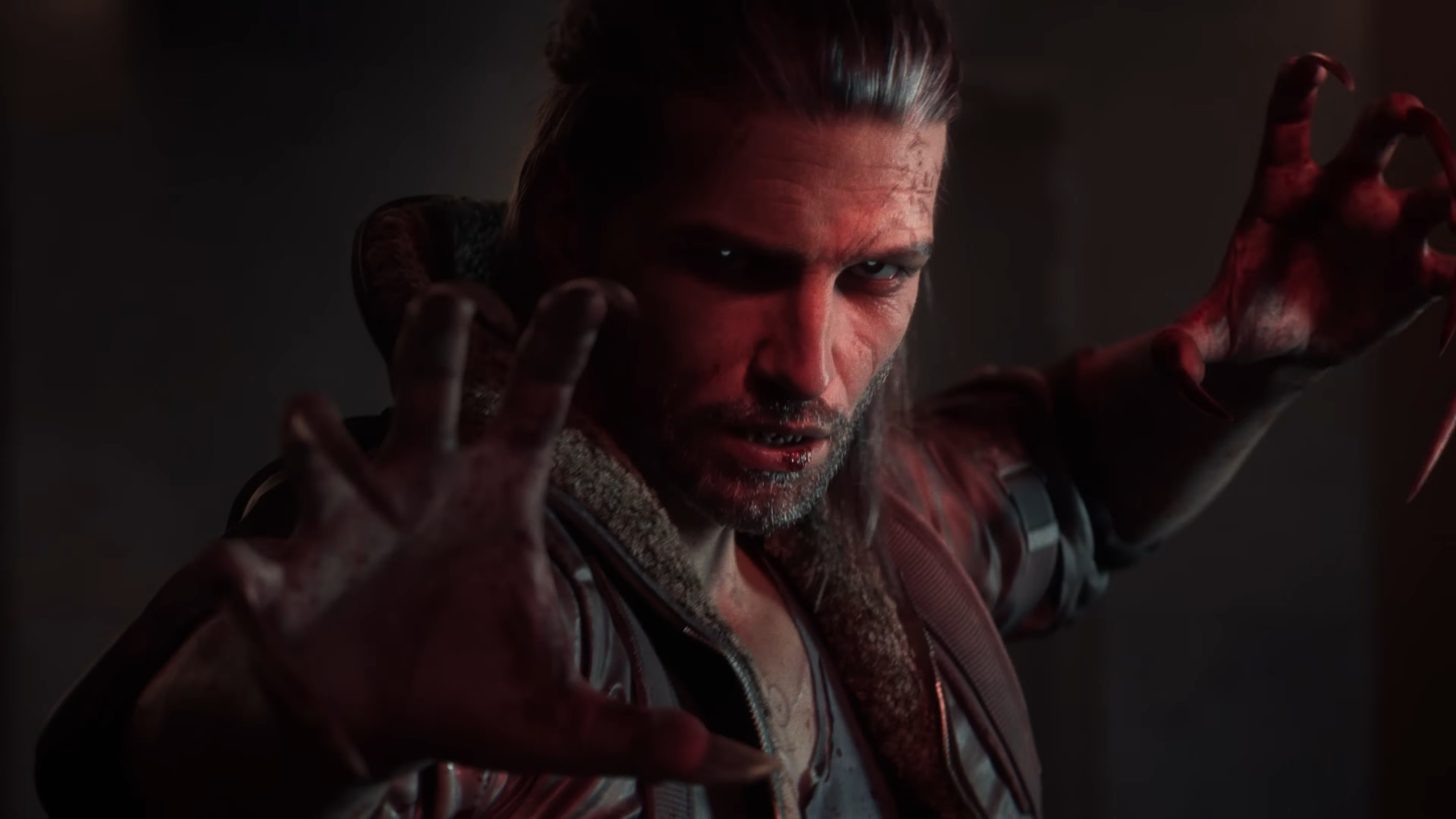
Rebel Wolves stunned fans at Summer Game Fest with an unexpected teaser trailer that hinted at an ambitious vision far beyond their debut title. While The Blood of Dawnwalker is firmly rooted in 14th-century Eastern Europe, the mysterious trailer depicted protagonist Coen in a strikingly modern setting—a contemporary courier delivering him a sack of blood. The implications were immediately clear to attentive viewers: the Polish development studio is planning an expansive saga that will follow this immortal character across multiple historical periods, creating a narrative scope rarely attempted in the RPG genre.
The revelation represents one of the most ambitious announcements to emerge from this year’s gaming showcases. Rebel Wolves, founded by veterans of CD Projekt Red who worked on The Witcher series, appears determined to carve out new territory in narrative-driven gaming. In recent interviews with various gaming outlets, the studio has begun sharing details about their long-term roadmap, offering glimpses into a creative vision that spans centuries of storytelling potential.
A Creative Vision Spanning Centuries
Speaking to Eurogamer, Game Director Konrad Tomaszkiewicz revealed fascinating insights into the studio’s creative philosophy. According to Tomaszkiewicz, part of the motivation for spanning different eras is to keep the development team’s creative energy fresh and dynamic. By jumping across historical periods, writers and designers can explore vastly different settings, cultures, and challenges while maintaining continuity through the immortal protagonist Coen. This approach allows the team to avoid creative stagnation that can sometimes plague long-running franchises confined to single time periods.
The concept of an immortal protagonist experiencing different historical eras isn’t entirely new to fiction, but it remains remarkably rare in video games. Vampire fiction has long explored themes of watching civilizations rise and fall, observing humanity’s progress and failures across generations. By embracing this narrative potential, Rebel Wolves positions itself to deliver something genuinely unique in the gaming landscape—a character whose personal journey reflects broader historical transformations.
Following in Mass Effect’s Footsteps with Save Imports
Perhaps the most exciting technical announcement involves the studio’s commitment to save imports between games. This feature, which allows player choices to carry meaningful consequences across multiple titles, became legendary through BioWare’s Mass Effect trilogy. However, few studios since have attempted such an ambitious interconnected narrative system. The technical and design challenges are substantial—tracking countless variables, ensuring narrative coherence, and maintaining meaningful consequences across years of development requires extraordinary planning and commitment.
Mass Effect’s save import system became iconic precisely because player decisions genuinely mattered. Characters lived or died based on choices, relationships evolved, and entire story arcs shifted depending on previous actions. When Rebel Wolves announces similar functionality, they’re essentially promising that decisions made in the medieval setting of the first game will echo through subsequent titles set in entirely different eras. For players invested in role-playing games, this represents the ultimate form of narrative investment.
The Legacy of CD Projekt Red Veterans
Understanding Rebel Wolves’ ambitions requires examining their pedigree. The studio was founded in 2022 by Konrad Tomaszkiewicz, who served as Game Director on The Witcher 3: Wild Hunt—widely considered one of the greatest RPGs ever made. Alongside him are numerous veterans from CD Projekt Red, bringing decades of combined experience in crafting narrative-driven open-world games. This expertise explains why the studio feels confident announcing such ambitious long-term plans before their first game has even launched.
The Blood of Dawnwalker itself promises to blend dark fantasy elements with historical authenticity. Set against the backdrop of 14th-century Eastern Europe, the game explores themes of immortality, morality, and survival during one of history’s most turbulent periods. Players will experience a world where supernatural threats lurk alongside very human dangers—plague, warfare, and religious persecution. Coen’s journey as a newly-turned vampire navigating this hostile landscape sets the foundation for what could become gaming’s next great saga.
What This Means for the Future of RPGs
The gaming industry has increasingly moved toward live-service models and shorter development cycles, making Rebel Wolves’ commitment to long-form storytelling particularly noteworthy. By planning a multi-era saga with interconnected save systems, they’re betting that players still hunger for deep, consequential narratives that unfold over years. If successful, The Blood of Dawnwalker saga could inspire other studios to pursue similarly ambitious projects, potentially revitalizing a style of epic storytelling that has become increasingly rare.
For now, fans eagerly await more concrete details about both the initial medieval installment and the mysterious modern-day continuation teased at Summer Game Fest. Rebel Wolves has demonstrated they possess both the talent and the vision to attempt something extraordinary. Whether they can execute this ambitious plan remains to be seen, but the gaming community is watching with considerable anticipation.
Expert Opinion: Rebel Wolves’ announcement signals a potential paradigm shift in how RPG franchises approach long-term storytelling. If executed successfully, this era-spanning approach with persistent save imports could establish a new gold standard for narrative continuity in gaming, though the technical complexity of tracking player choices across decades of fictional time represents an unprecedented challenge that will require innovative solutions.