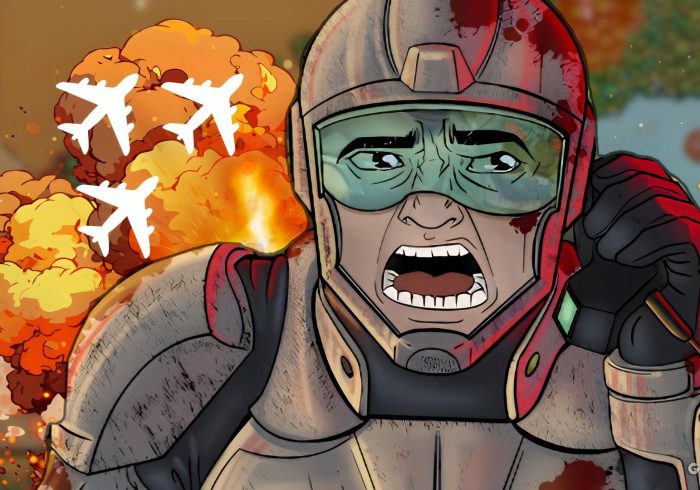
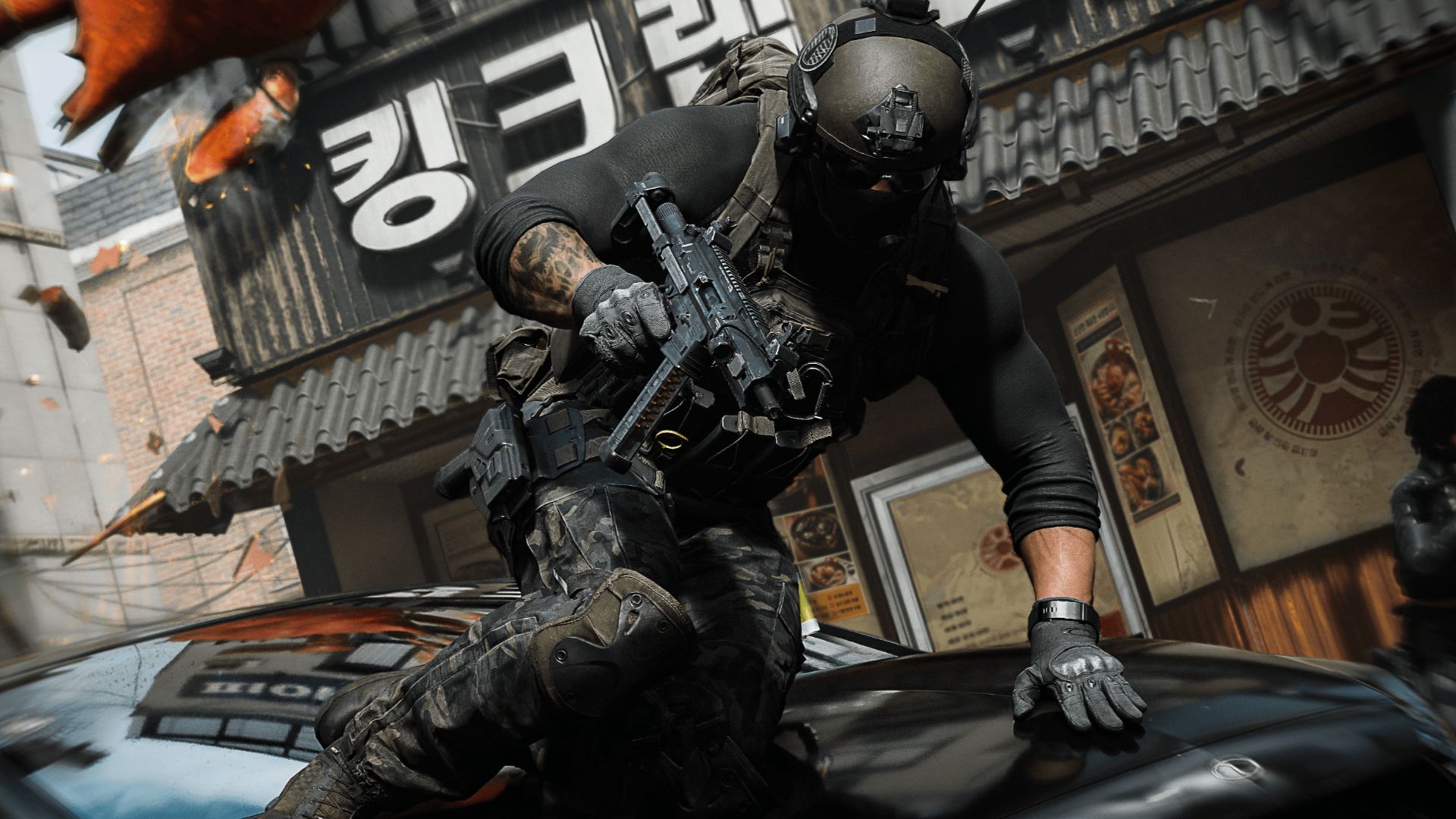
The gaming community has erupted in controversy as eagle-eyed players participating in the Call of Duty: Modern Warfare 4 Early Access multiplayer beta have identified what they believe to be AI-generated artwork within the highly anticipated title. Screenshots and videos circulating on social media platforms showcase various in-game textures, promotional materials, and environmental artwork that display telltale signs of generative artificial intelligence, including unusual artifacts, inconsistent details, and the characteristic smoothness often associated with AI image generation tools. The discovery has sparked heated debates across Reddit, Twitter, and gaming forums, with many fans expressing disappointment in what they perceive as a cost-cutting measure from one of the industry’s most profitable franchises.
The backlash carries particular weight given that Activision, the publisher behind the Call of Duty franchise, has previously acknowledged utilizing generative AI tools in the development of certain in-game assets. This admission, while made in the interest of transparency, has now become a focal point for criticism as players question the extent to which AI technology has been integrated into the game’s production pipeline. For a franchise that generates billions of dollars annually and represents one of the flagship titles in the gaming industry, the use of AI-generated content has struck many as inconsistent with the premium pricing and production values players have come to expect.
The Growing Debate Over AI in Game Development
The controversy surrounding Modern Warfare 4 is emblematic of a much larger conversation taking place across the creative industries regarding the ethical and practical implications of generative AI. Since the explosive growth of AI image generators like Midjourney, DALL-E, and Stable Diffusion beginning in 2022, game developers have increasingly explored these tools as potential cost-saving measures. However, the technology remains controversial due to concerns about the training data used to create these models, which often includes copyrighted artwork created by human artists without their explicit consent or compensation. Industry analysts note that while AI can accelerate certain aspects of game development, the backlash from communities like Call of Duty’s passionate fanbase demonstrates the reputational risks involved.
The gaming industry has witnessed several similar controversies in recent months. Wizards of the Coast faced criticism after AI-generated artwork was discovered in Dungeons and Dragons promotional materials, while numerous indie developers have been called out for using AI art in their games without disclosure. What makes the Call of Duty situation particularly notable is the scale and budget of the franchise. Modern Warfare 4 represents a major tentpole release from Activision, now a subsidiary of Microsoft following the tech giant’s landmark $69 billion acquisition completed in 2023. Critics argue that a company with such vast resources should not be relying on AI tools that could potentially displace professional artists and compromise the quality of the final product.
Impact on the Industry and Player Trust
The controversy raises important questions about transparency and consumer expectations in modern game development. While studios are under no legal obligation to disclose their use of AI tools in most jurisdictions, many players feel that such information should be readily available, particularly when purchasing premium-priced products. The Call of Duty franchise has historically commanded full retail pricing of $60-70 for base games, with additional revenue generated through seasonal content, battle passes, and microtransactions. Some community members have argued that the use of AI-generated assets, if confirmed to be widespread, could constitute a devaluation of the product that consumers are paying for.
Industry experts suggest that the controversy could serve as a watershed moment for how game studios approach the integration of AI tools going forward. The immediate financial implications may be limited, as the Call of Duty franchise has proven remarkably resilient to controversy over the years. However, the erosion of player trust is a more subtle concern that could have long-term consequences for brand loyalty. As the beta continues and players examine the game more closely, Activision will likely face increasing pressure to provide a detailed statement addressing the extent and nature of AI usage in Modern Warfare 4’s development. Whether this controversy will influence actual sales remains to be seen, but it has undoubtedly contributed to a growing conversation about artistic integrity and the role of artificial intelligence in creative industries.
Expert Opinion: This controversy signals a critical inflection point for the gaming industry’s relationship with generative AI. Studios must recognize that while AI tools can streamline development, transparency and ethical implementation are essential to maintaining consumer trust. Expect major publishers to establish clearer AI disclosure policies within the next year as regulatory scrutiny and player expectations continue to evolve.