
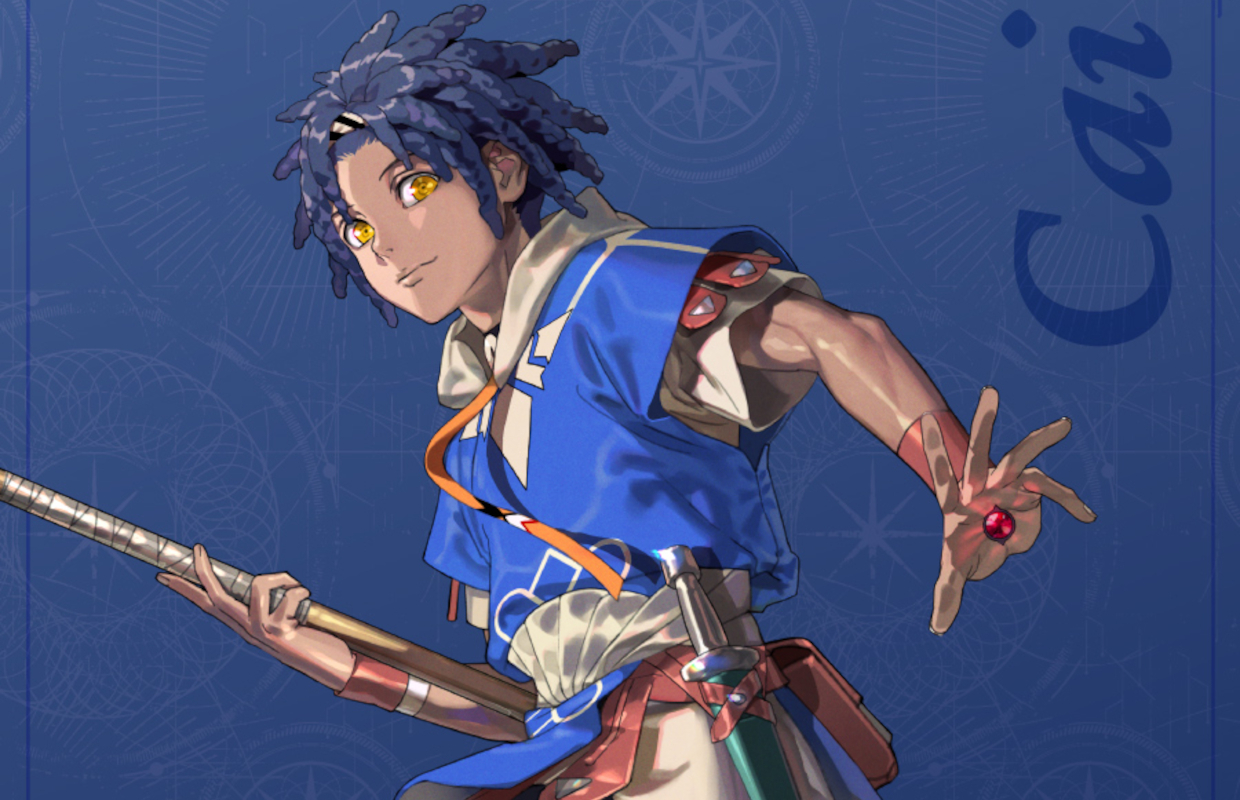
Intelligent Systems has been steadily unveiling details about the characters set to appear in their highly anticipated tactical RPG, Fire Emblem: Fortune’s Weave. As information continues to emerge primarily through Japanese publications, fans worldwide are eager to learn about the diverse cast of heroes, antagonists, and supporting characters that will populate this latest entry in the beloved franchise. The gradual reveal strategy has built considerable anticipation within the gaming community, with each new character announcement sparking discussions about potential storylines, class abilities, and tactical possibilities.
The Fire Emblem Legacy and Character Development
Fire Emblem has maintained its position as one of Nintendo’s most cherished strategy RPG franchises since its debut in 1990 on the Famicom. Over three decades of development, Intelligent Systems has refined their approach to character creation, weaving intricate backstories with meaningful gameplay mechanics. The series gained significant international recognition following the inclusion of Marth and Roy in Super Smash Bros. Melee, which prompted Nintendo to begin localizing subsequent entries for Western audiences. This expansion transformed Fire Emblem from a Japan-exclusive gem into a global phenomenon that continues to attract new players while satisfying longtime devotees.
Fortune’s Weave represents the latest evolution in this storied franchise, building upon the foundations established by recent successful entries like Fire Emblem: Three Houses and Fire Emblem Engage. The character roster in any Fire Emblem title serves as the backbone of both narrative engagement and strategic depth. Players typically develop strong attachments to their units, particularly given the series’ traditional permadeath mechanic, where fallen characters remain lost for the remainder of the campaign. This emotional investment in character survival creates tension and meaningful decision-making that few other games can replicate.
Playable Characters and Class Systems
While Intelligent Systems continues to release character information incrementally, the emerging roster suggests a diverse array of playable units spanning multiple character classes and combat specializations. Fire Emblem games traditionally feature a protagonist lord character who serves as both the narrative focal point and a mandatory unit in most battles. Supporting this central figure are typically noble knights, cunning mages, agile thieves, powerful armored units, and mounted cavalry that provide tactical flexibility on the battlefield. Each character brings unique growth rates, starting statistics, and personal skills that influence how players approach combat encounters.
The weapon triangle system, a staple mechanic since Fire Emblem: Genealogy of the Holy War, likely plays a significant role in Fortune’s Weave’s tactical considerations. This rock-paper-scissors style system creates strategic depth by establishing advantages and disadvantages between different weapon types. Characters specializing in swords typically hold advantages over axe-wielders, who in turn dominate lance users, completing the cycle. Modern entries have expanded upon this foundation with additional weapon categories, magic types, and unique character-specific abilities that reward thoughtful unit deployment and careful planning.
Antagonists and Supporting Characters
Every compelling Fire Emblem narrative requires memorable antagonists, and Fortune’s Weave appears poised to deliver on this front. The series has a rich history of creating complex villains whose motivations extend beyond simple conquest or destruction. From tragic figures corrupted by power to ideological adversaries with understandable philosophies, Fire Emblem antagonists often challenge players to consider the moral complexities of war and conflict. Supporting characters, including non-playable allies, mentors, and neutral parties, further enrich the world-building and provide context for the central conflict.
The localization process for translating Japanese character details into English involves careful consideration of cultural nuances, name adaptations, and dialogue adjustments that preserve the original intent while resonating with international audiences. Nintendo’s Treehouse localization team has developed expertise in maintaining character authenticity while making content accessible to Western players, a balance that has contributed significantly to the franchise’s global success.
Expert Opinion: Given Intelligent Systems’ track record with recent Fire Emblem titles, Fortune’s Weave is likely positioning itself to blend the relationship-building mechanics that proved successful in Three Houses with refined tactical gameplay. The gradual character reveal strategy suggests a substantial roster designed to support multiple narrative paths and replay value, potentially indicating another branching storyline structure that has become a franchise hallmark.