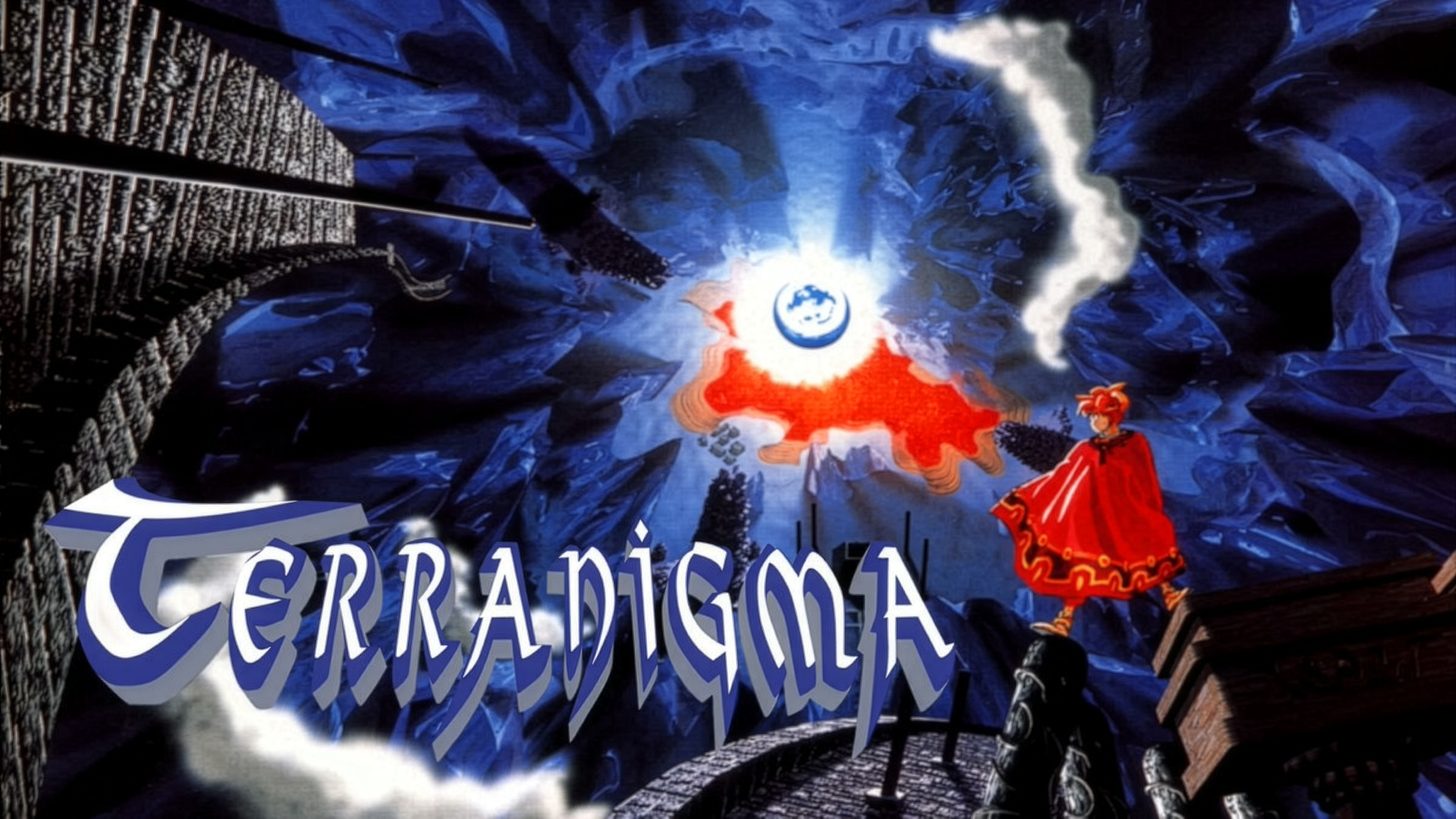
The gaming world is buzzing with excitement as Square Enix appears to be preparing a major announcement that could finally bring one of the most beloved yet obscure action RPGs back from obscurity. The Japanese gaming giant has teased a mysterious reveal scheduled for August 24, and all signs point toward a potential resurrection of Terranigma, the legendary 1995 Super Nintendo title that never received an official North American release. This news has sent waves of anticipation through the retro gaming community, as fans who have longed for a proper worldwide release of this cult classic may finally see their wishes granted.
Over the past few years, Square Enix has demonstrated a renewed commitment to reviving its lesser-known catalog of classic RPGs, bringing titles to new audiences that missed them during their original release windows. The company’s HD-2D remake of Live A Live stands as a shining example of this initiative, transforming a Japan-exclusive 1994 Super Famicom game into a visually stunning modern experience that captivated players worldwide upon its 2022 release. This revival strategy has proven both critically and commercially successful, encouraging the publisher to dig deeper into its extensive back catalog of hidden gems.
The Legendary Tale of Terranigma
Terranigma, known as Tenchi Souzou in Japan, was developed by Quintet and published by Enix in 1995. The game represented the culmination of a loose trilogy that included Soul Blazer and Illusion of Gaia, all sharing similar action RPG mechanics and philosophical themes about creation, destruction, and rebirth. Players controlled a young protagonist named Ark who embarks on a journey to resurrect the surface world after humanity’s destruction, gradually restoring continents, plants, animals, and eventually human civilization itself. The game’s ambitious narrative explored themes of existentialism, the nature of good and evil, and the cyclical nature of existence, setting it apart from typical fantasy RPG fare of the era.
What makes Terranigma’s history particularly fascinating is its unusual release pattern. While the game launched in Japan in October 1995 and received a European and Australian release in December 1996, it mysteriously never made it to North American shores. This omission occurred despite the SNES having a strong presence in the region and other Quintet titles finding success there. Various theories have emerged over the years explaining this absence, including the impending launch of next-generation consoles, Enix’s temporary withdrawal from the North American market, and potential localization challenges. Regardless of the reason, this gap has left American gamers relying on imported copies or emulation to experience what many consider one of the finest action RPGs ever created.
Square Enix’s Revival Strategy and Industry Impact
Square Enix’s recent approach to reviving classic titles has established a promising template for how publishers can honor their heritage while introducing beloved games to new generations. The HD-2D visual style, first popularized by Octopath Traveler, has proven particularly effective for reimagining 16-bit era classics, combining nostalgic pixel art with modern lighting, effects, and depth-of-field techniques. This aesthetic choice resonates strongly with both veteran players seeking enhanced versions of their childhood favorites and younger audiences discovering these narratives for the first time. The success of Live A Live’s remake, along with titles like Triangle Strategy and the upcoming Dragon Quest III HD-2D Remake, demonstrates significant market appetite for these carefully crafted revivals.
The timing of this potential Terranigma announcement is particularly noteworthy given Square Enix’s current strategic positioning. While the company continues developing major blockbusters like Final Fantasy VII Revelation and the newly announced Final Fantasy Resonance, this focus on catalog revivals shows a balanced approach to content development. Industry analysts suggest that remaking classic titles offers favorable risk-reward ratios compared to entirely new intellectual properties, as established fanbases provide built-in audiences while development costs remain relatively controlled compared to AAA productions. This strategy also helps Square Enix maintain relevance across multiple market segments simultaneously.
What a Modern Terranigma Could Offer
If Square Enix does indeed announce a Terranigma revival, speculation abounds regarding what form it might take. An HD-2D remake similar to Live A Live seems the most likely approach, preserving the game’s beloved action RPG gameplay while dramatically enhancing its visual presentation. Such a treatment could also include quality-of-life improvements, expanded narrative content, orchestrated music arrangements, and perhaps even additional story chapters that expand upon the original’s already substantial adventure. The game’s themes of environmental restoration and humanity’s relationship with nature feel remarkably relevant to contemporary audiences, potentially resonating even more strongly today than they did nearly three decades ago. Whatever announcement awaits on August 24, the possibility of Terranigma finally receiving the worldwide recognition it deserves has RPG enthusiasts counting down the days with eager anticipation.
Expert Opinion: Given Square Enix’s proven track record with HD-2D remakes and the overwhelming fan demand for Terranigma’s revival, this announcement represents a strategic opportunity to capitalize on nostalgia while addressing a genuine gap in their Western catalog. If confirmed, expect the remake to leverage the same visual engine as Live A Live while potentially incorporating modern gameplay refinements, likely targeting a 2025-2026 release window to avoid competition with their major Final Fantasy releases.