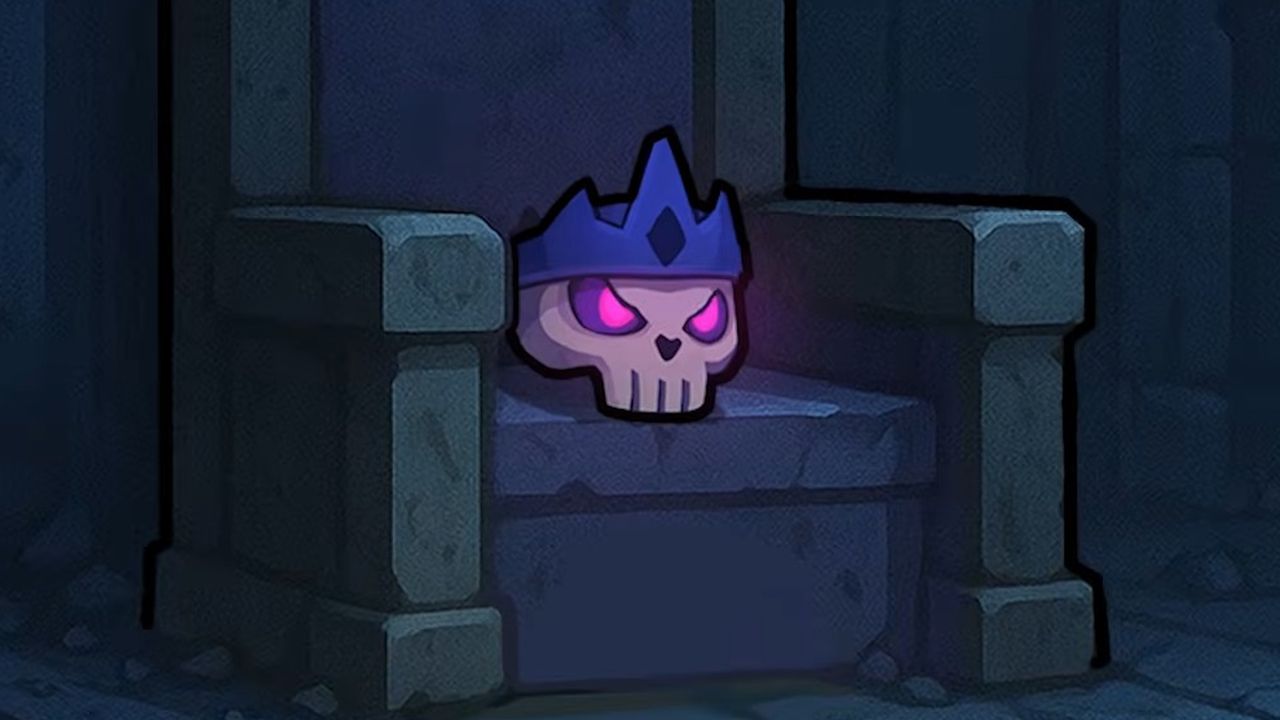
In an era where video games increasingly push cinematic narratives and extensive dialogue trees, one solo developer is proving that sometimes less truly is more. YuWave, the creator behind Demon Lord: Just a Block, has achieved remarkable success with an action-strategy roguelike that embraces fragmented storytelling and minimal exposition. The game, which features a blocky world where enemies only move when the player does, has garnered nearly 2,000 Steam reviews with an impressive 96% positive rating. The developer’s simple pitch — “One developer. One computer. One game. One year” — has resonated powerfully with players seeking gameplay-focused experiences that respect their time and intelligence.
The philosophical approach to narrative design that YuWave champions draws inspiration from some of the industry’s most celebrated developers. “If FromSoftware released the full Dark Souls design document, no one would be debating the lore anymore,” YuWave explains, referencing the legendary Japanese studio known for its deliberately obscure storytelling in titles like Dark Souls, Bloodborne, and Elden Ring. This comparison is particularly apt, as FromSoftware has built an empire on the principle that players should piece together narratives from environmental details, item descriptions, and fragmented dialogue rather than having stories spoon-fed to them through cutscenes and exposition dumps.
The Art of Restraint in Game Narrative
YuWave implemented strict rules for text in Demon Lord: Just a Block that would make most traditional game writers blanch: no more than 10 exchanges per scene, and no more than 50 characters per line. While this severe limitation restricts how much detail or exposition can fit into each moment, the developer argues it actually strengthens player engagement. “It actually makes players remember the characters’ personalities much more vividly,” YuWave explains, suggesting that brevity forces both writers and players to focus on what truly matters. This approach mirrors techniques used in classic literature and poetry, where constraints often breed creativity and memorable imagery.
The comparison to Supergiant Games’ critically acclaimed Hades reveals an interesting spectrum of narrative approaches within the roguelike genre. While Hades received widespread praise for its substantial narrative throughline that weaves Greek mythology into the mechanical loops of repeated runs, Demon Lord: Just a Block aims for a similar emotional effect through markedly lighter exposition. “Just like Hades, players aren’t just pushing through levels in each run, they are also progressing the game to meet more NPCs and discover more advanced storylines,” YuWave notes. Both games create story-driven goals that give meaning to the repetitive nature of roguelike gameplay, but they achieve this through vastly different means.
Gameplay First, Story Second — But Connected
The debate over narrative design in video games has intensified in recent years, with players and critics often divided between those who crave rich, detailed storytelling and those who prefer mechanics-driven experiences. YuWave firmly positions themselves in the latter camp while acknowledging that story still plays a crucial role. “I firmly believe players are here to have fun, not read a boring novel. Short, punchy text is the key to keeping players immersed in the gameplay without constant interruptions,” the developer states. This philosophy aligns with design principles espoused by legendary developers like Shigeru Miyamoto, who famously prioritized gameplay feel over narrative complexity in Nintendo’s most beloved franchises.
What makes this approach particularly effective in Demon Lord: Just a Block is how narrative fragments serve as gameplay tools rather than mere decoration. Story pieces discovered by players may reveal hidden paths or entirely new ways to complete the game. “The entrance to the true ending has always been there, you just lacked that narrative knowledge to activate it,” YuWave teases, suggesting that paying attention to the game’s sparse storytelling provides tangible mechanical advantages. This integration of narrative and gameplay creates a feedback loop where players are rewarded for engagement rather than punished with lengthy interruptions.
From Mobile Games to Steam Success
The remarkable reception of Demon Lord: Just a Block represents a significant turning point for YuWave, who spent years working in the mobile games sector before this Steam debut. The transition from mobile development, often characterized by aggressive monetization and attention-fragmenting mechanics, to a focused premium experience has proven transformative. “It’s way beyond my wildest expectations,” YuWave admits, acknowledging that the game has evolved into “a collaborative work between the creator and players.” This success story adds to a growing narrative of solo developers finding audiences for passion projects that might not fit traditional publishing models.
Looking forward, YuWave has committed to ongoing development, promising regular updates including new biomes, weapons, and quality-of-life improvements. The developer’s community-focused approach reflects a broader trend in indie game development, where post-launch support and player feedback integration have become essential to long-term success. In a market saturated with games competing for attention, Demon Lord: Just a Block demonstrates that respecting players’ time and intelligence — both in gameplay and narrative design — can be a powerful differentiator. As more developers study this success, we may see a continued shift toward confident, minimalist storytelling that trusts players to fill in the gaps themselves.
Expert Opinion: YuWave’s success with Demon Lord: Just a Block signals a potential shift in indie game design philosophy, where narrative restraint becomes a feature rather than a limitation. As players increasingly value games that respect their time, expect more developers to adopt “environmental storytelling” approaches pioneered by studios like FromSoftware. This trend could reshape how smaller studios approach narrative design, proving that compelling stories don’t require massive writing teams or extensive dialogue systems.